+86-574-5680 8878


Choosing the right Pool Cover Roller is rarely a simple equipment decision. Global buyers must compare pool dimensions, cover weight, installation space, climate, and operator habits. A roller that performs well beside a calm Mediterranean pool may struggle under strong coastal winds or repeated freeze-thaw cycles.
Elena Marquez, an aquatic-access consultant at Aquatic Access Advisors, says, “A roller succeeds when the pool, cover, and operator work as one system.” Her view reflects practical experience across residential and hospitality projects. Manual crank rollers suit smaller pools and buyers seeking lower maintenance. Fixed rollers offer stable positioning and clean deck integration. Mobile units provide flexibility during maintenance or seasonal storage. Automatic systems improve convenience, but they demand careful electrical planning and regular servicing.
This guide examines the 2026 best Pool Cover Roller types for global buyers. It focuses on real installation conditions, not showroom promises. Readers will find comparisons involving durability, corrosion resistance, handling effort, safety features, and long-term value. Materials matter. Stainless steel, marine-grade components, and UV-resistant plastics can change performance dramatically.
Small details decide outcomes.
A narrow deck may limit the turning radius. A heavy cover may expose a weak frame. Remote controls can simplify use, yet they may add repair complexity. Some recommendations remain imperfect because local workmanship varies widely. Buyers should verify measurements, supplier support, warranty terms, and replacement-part availability before ordering. A cheaper Pool Cover Roller can become expensive when shipping delays or unsuitable fittings appear. Careful evaluation remains more reliable than a universal ranking.
A pool cover roller is a mechanical system that winds, stores, and deploys a pool cover. It may use a hand crank, removable shaft, or powered drive. Its core function is simple: keep the cover tight, aligned, and easy to handle. That matters for large commercial pools, where a loose cover can drag across the water or scrape the pool edge.
The U.S. Department of Energy reports that pool covers can reduce heating costs by 50–70%. The U.S. Environmental Protection Agency also states that suitable covers may reduce evaporation by up to 95%.
A roller supports these savings by encouraging regular cover use. It also limits debris, lowers chemical loss, and reduces cleaning time. However, performance depends on correct sizing, cover weight, wind exposure, and shaft placement. A premium mechanism cannot repair poor measurements. This point is often underestimated.
Tips: Measure the pool’s widest points, including coping and waterline changes. Check the roller’s load rating before purchase. For frequent use, choose corrosion-resistant components and smooth locking controls. Inspect straps, bearings, and alignment each season. Manual systems may suit smaller pools, but powered systems can improve handling for wider installations. Do not assume the most expensive design is the safest choice. A practical review of daily use is still necessary.
2026 Best Pool Cover Roller Types for Global Buyers
Main Types of Pool Cover Rollers in 2026
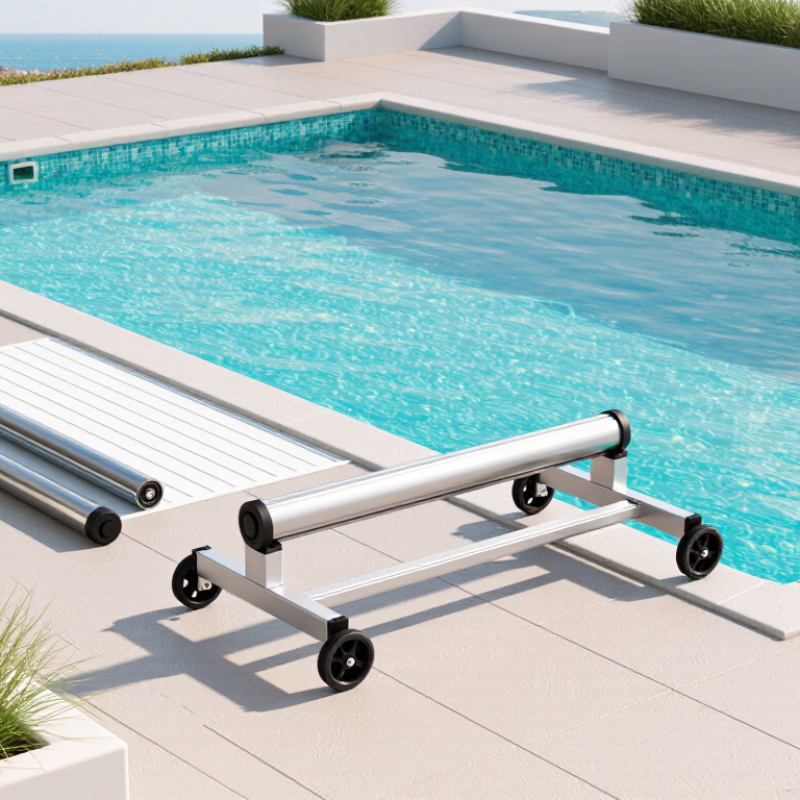
Manual crank rollers suit smaller residential pools and buyers seeking simple maintenance. A hand-operated handle winds the cover around a central tube. These systems usually cost less and remain usable during power failures. However, winding a heavy cover can become tiring after repeated use. Check the tube diameter, handle position, and frame stability before purchasing.
In-ground fixed rollers create a clean poolside appearance and support permanent installations. They often use stainless steel or corrosion-resistant aluminum for wet environments. Some models include concealed housings beneath decking, while others remain visible beside the pool. Professional measurements matter here. A few centimeters of error can cause uneven winding or cover stress. Not every attractive installation performs well.
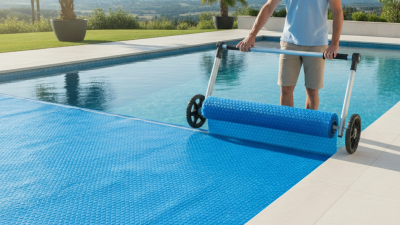
Portable rollers provide flexibility for seasonal pools, rental properties, and changing layouts. Their wheels allow one person to move the unit, although uneven paving may reduce control. Motorized rollers reduce physical effort and suit larger covers. They may use wired controls, remote controls, or solar-assisted power systems. Buyers should verify motor torque, battery performance, water protection, and local electrical requirements. Automatic operation sounds convenient, but poor alignment can still damage the cover. That detail is easy to underestimate.
Main Types of Pool Cover Rollers in 2026
This indicative comparison rates common pool cover roller types from 1 to 5 across practical buyer criteria. Manual and mobile rollers are generally economical and portable, while electric and recessed systems provide higher convenience and a cleaner installation. Solar-powered rollers can reduce grid electricity use but depend on sunlight and battery capacity.
For global buyers, roller selection should follow pool size, cover weight, and daily use. A manual roller suits compact residential pools and lower budgets. The operator turns a handle, usually beside the pool edge. It is simple, repairable, and less dependent on electricity. However, a heavy cover can make each operation tiring. That small inconvenience is often underestimated.
Semi-automatic systems use a motor for winding, while users guide or position the cover. They balance convenience and installation cost. They also suit facilities with regular closing routines, such as hotels or community pools. The U.S. Department of Energy reports that pool covers can reduce evaporation by up to 95% and heating costs by 50–70%. A roller helps users deploy the cover consistently, where storage habits often fail. Still, poor alignment can wrinkle the cover and increase motor strain.
Fully automatic rollers offer push-button operation and cleaner deck integration. They are practical for large pools, frequent use, or users with limited mobility. A Pool Solar Cover Roller can improve handling, but it does not automatically solve drainage, wind exposure, or winter storage. Buyers should check voltage, corrosion resistance, shaft capacity, and local installation requirements. PHTA industry guidance repeatedly highlights maintenance planning as a major ownership factor. The difficult question remains: will the operator maintain the system after installation? A cheaper manual unit may outperform an advanced system that receives careless servicing.
| Roller Type | Best Use | Drive and Controls | Typical Pool Coverage | Typical Operating Speed | Power Requirement | Installation Requirements | Main Advantages | Main Limitations |
|---|---|---|---|---|---|---|---|---|
|
Manual Roller Hand-crank or removable crank handle |
Small residential pools, seasonal pools, and installations where electrical access is limited | Direct mechanical operation; no motor, wiring, remote control, or control panel required | Commonly suitable for pools up to approximately 10 m in width, depending on the roller frame and cover weight | Approximately 1–3 minutes for a typical residential cover, depending on operator effort and cover condition | No external power supply | Usually a simple deck-mounted or surface-mounted frame; a level, stable mounting area is required | Lowest purchase cost; simple design; easy to transport; minimal electrical maintenance; suitable for remote locations | Requires physical effort; slower for large or heavy covers; less convenient for frequent daily operation |
|
Semi-Automatic Roller Motor-assisted winding with user-operated control |
Medium-sized residential pools, hotels, schools, and properties seeking a balance between cost and convenience | Electric motor with push-button, key switch, or wired controller; some systems require manual cover alignment | Commonly suitable for pools up to approximately 12–15 m in width, subject to motor torque and cover weight | Approximately 2–6 minutes for a typical pool cover, depending on motor speed and pool dimensions | Typically 12 V or 24 V DC; some systems use a rechargeable battery or a low-voltage power supply | Requires secure frame anchoring, motor installation, cable routing, and protection from water ingress | Reduces manual effort; lower cost and complexity than fully automatic systems; practical for regular use | Usually still requires manual deployment or positioning; battery systems need periodic charging; limited automation features |
|
Automatic Roller Motorized operation with integrated control system |
Large residential pools, commercial pools, aquatic centers, resorts, and frequent-use facilities | Electric motor operated by a wall switch, remote control, timer, or building-management interface; some systems include limit switches | Commonly suitable for pools up to approximately 15–25 m in width; larger projects may require engineered or multiple-roller solutions | Approximately 2–8 minutes for a typical cover, depending on roller diameter, motor rating, cover length, and control settings | Commonly 24 V DC or 230 V AC, depending on regional electrical standards and system design | Professional installation is normally recommended; requires structural anchoring, electrical protection, drainage consideration, and accurate limit-switch setup | Highest convenience; consistent operation; suitable for frequent use; can integrate with timers, safety interlocks, and smart-control systems | Higher initial cost; more components to service; installation quality and electrical protection are critical |
|
Solar-Assisted Automatic Roller Motorized roller supported by solar charging |
Outdoor pools in areas with adequate sunlight and limited access to mains electricity | Low-voltage motor with rechargeable battery, solar panel, and manual or remote control | Commonly suitable for small to medium outdoor pools; capacity depends on battery size, sunlight, and cover weight | Approximately 3–8 minutes per operating cycle under normal charge conditions | Solar panel and rechargeable battery; backup charging may be required during prolonged cloudy periods | Needs unobstructed solar exposure, weather-resistant mounting, protected cable connections, and proper battery ventilation | Low operating energy consumption; useful where trenching or mains wiring is difficult; reduced dependence on grid power | Performance varies with weather and seasonal sunlight; battery replacement is a long-term maintenance consideration |
Pool shape should guide every Swimming Pool Cover Roller decision. A straight rectangular pool usually accepts a fixed axle and simple manual reel. Freeform pools need a wider winding path, adjustable supports, or sectional rollers. Curved edges can leave exposed water, increasing debris and evaporation. Shape matters.
Measure the widest span, coping height, and clearance behind the pool. A narrow deck may require a vertical or removable roller. In windy regions, stronger brackets and locking wheels deserve attention. Do not guess.
The U.S. Department of Energy’s Energy Saver guidance reports that pool covers can reduce heating costs by 50% to 70% when used correctly. That saving depends on complete coverage and regular use.
Cover material changes the roller’s load and handling needs. Heavy insulated vinyl requires higher shaft capacity and smoother bearings. Lightweight mesh covers need less torque but may flex during winding. Transparent bubble covers can be efficient, yet their air pockets crush when folded tightly.
EPA WaterSense guidance indicates that pool covers may reduce evaporation by up to 95%, although real results vary with wind, temperature, and installation quality.
Field installers often see oversized covers drag across coping stones. My own selection rule is imperfect: prioritize fit before speed, then test the roller with the wet cover attached. A dry showroom test can mislead buyers.
Global pool equipment buyers should judge a Pool Blanket Roller by site conditions, not appearance alone. I have seen compact rollers fail when wind loads, salt air, and uneven paving were ignored. Measure the pool width, blanket weight, storage space, and fixing surface before comparing models.
Material selection matters. Marine-grade stainless steel suits humid or coastal locations, while coated aluminum can reduce weight and handling effort. Check shaft diameter, frame stability, wheel quality, and the locking mechanism. A smooth crank or motor reduces strain during daily use.
However, powered systems need verified electrical protection for the destination country. Ask for voltage, frequency, ingress protection, and installation documents.
Supplier reliability deserves equal attention. Request load ratings, spare-part availability, user instructions, and test records from the manufacturer. Confirm that the roller fits the selected cover, including its tube, straps, and attachment points. One overlooked detail can stop installation.
I once underestimated the turning space beside a narrow pool, creating awkward movement for staff. That mistake changed how I assess layouts. Leave enough clearance for cleaning, emergency access, and winter storage.
Weather matters. In high-wind regions, buyers should examine anchoring options and secure the cover when unattended. Local building, electrical, and pool-safety requirements may also influence the final specification. A low purchase price is not always a low operating cost. неприятный
For global buyers, a Pool Cover Reel should match the pool’s width, cover weight, and surrounding clearance. Measure on site before ordering. Allow space for the shaft, handwheel, or motor housing. A wet cover becomes surprisingly heavy. Install the reel on a level base with secure anchors. Salt air, intense ultraviolet exposure, and freezing temperatures require different materials. Stainless fasteners and sealed bearings usually deserve priority. Local electrical rules also matter for powered systems. A qualified installer should verify them before connection.
Operation should be slow and controlled. Keep swimmers away from the cover during deployment. Remove standing water and sharp debris before winding. The U.S. Department of Energy’s Energy Saver guidance reports that pool covers may reduce heating costs by 50–70%, depending on climate and usage. EPA WaterSense guidance also identifies covers as a major method for limiting evaporation. Actual results can disappoint when gaps remain around the edges. Small failures matter. Inspect straps, seams, anchors, and bearings each month. Rinse salt and chemical residue with clean water. Lubricate only with materials approved for the reel. Never force a jammed shaft. Stop and investigate first. I have seen buyers focus on purchase price, then overlook drainage and service access. That choice can make routine maintenance awkward. A written inspection log helps, although many owners abandon it after winter. Keep it simple. Record cleaning dates, visible damage, and unusual resistance during rotation.
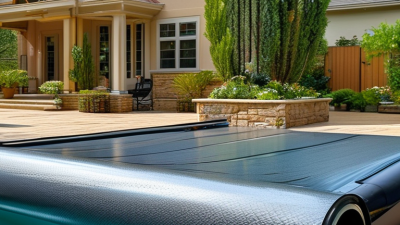
Preparing a pool for winter requires more than simply lowering the water level. A durable winter pool cover is the first line of protection, helping keep out leaves, rainwater, dirt, and sunlight while reducing cleaning work in spring. Choose a cover made from weather-resistant material with reinforced edges and secure fastening points. Safety features, such as strong anchors and reliable tension, are also important in areas exposed to wind or heavy weather. A fitted cover can help maintain a cleaner pool environment and protect interior surfaces during months of limited use.
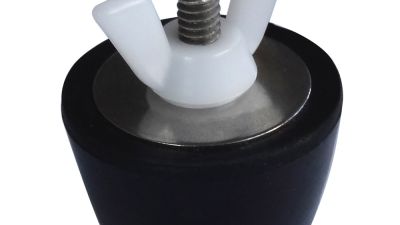
Additional winter pool products can support the cover and protect the equipment. Pool pillows or floating air cushions help reduce pressure from expanding ice and prevent the cover from sinking into the water. Chemical winterizing treatments can slow algae growth and help maintain balanced water conditions, while a floating dispenser can distribute treatment gradually. Before installation, clean the pool thoroughly, adjust the water level according to the pool structure, and drain or protect pumps, filters, heaters, and exposed pipes. Store removable accessories in a dry place, inspect the cover after storms, and remove accumulated water or debris with suitable equipment. Together, these practical measures make seasonal pool protection more efficient and help preserve the pool for the next swimming season.
Rectangular pools often suit fixed axles and simple manual reels. Freeform pools may need adjustable supports or sectional rollers. Shape matters.
Measure the widest span, coping height, and clearance behind the pool. Include space for the shaft, handwheel, or motor housing. Do not guess.
A vertical or removable roller may fit better. Check access behind the pool before choosing a permanent base.
Heavy insulated vinyl needs greater shaft capacity and smooth bearings. Lightweight mesh requires less torque but may flex while winding.
Their air pockets can crush when folded tightly. Wind them gently and avoid excessive pressure during storage.
Windy areas may need stronger brackets and locking wheels. Salt air, ultraviolet exposure, and freezing temperatures require suitable materials.
Install it on a level base with secure anchors. A wet cover becomes surprisingly heavy. Powered systems should follow local electrical requirements.
Move the roller slowly and keep swimmers away during deployment. Remove standing water and sharp debris before winding. Slow is safer.
Inspect straps, seams, anchors, and bearings monthly. Rinse away salt and chemical residue. Never force a jammed shaft.
Proper coverage may reduce heating costs by roughly 50% to 70%. Evaporation can fall by up to 95%, but gaps and wind reduce results. This rule is not perfect.
A Pool Cover Roller is an essential system for storing, deploying, and managing pool covers efficiently. In 2026, global buyers can choose from manual, semi-automatic, and fully automatic roller systems, each designed for different pool sizes, user preferences, and operating environments. Manual models are simple and cost-effective, while semi-automatic and automatic systems provide greater convenience and reduce physical effort. Roller designs may also vary according to pool shape, deck layout, and cover material, so compatibility should be assessed before purchase.
When selecting a Pool Cover Roller, buyers should consider construction quality, load capacity, corrosion resistance, safety features, installation requirements, and ease of maintenance. Proper alignment and secure installation help ensure smooth operation, while regular cleaning, inspection, and lubrication can extend service life. By matching the roller type with the pool’s design and cover characteristics, buyers can achieve reliable performance, easier daily handling, and better long-term value.