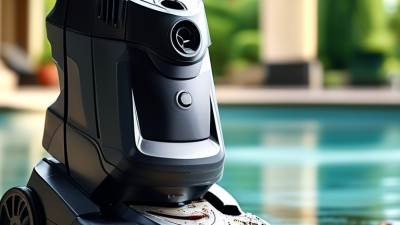
Picking the best Robotic Pool Cleaner? It’s not just about a familiar brand or a shiny spec sheet. Things like pool size, surface type, how much debris you get, the waterline design, and even your local climate all play into it. A cleaner that runs quietly in a small vinyl pool might really struggle in a big, shaded concrete pool. That’s just how it goes. The Pool & Hot Tub Alliance says there are roughly 8.6 million residential pools in the U.S. That’s a lot of maintenance, honestly. It also helps explain why automated cleaning has become such a practical option for plenty of owners. Recent market analyses from Grand View Research point to robotic pool cleaning as a growing equipment segment, driven by demand for labor-saving and energy-efficient maintenance. But just because the market is growing doesn’t mean every product is equally good. Real testing matters. We look at navigation, wall climbing, filtration, charging time, cable handling, app stability, and how well it picks up debris. The little stuff counts too. A fine filter might catch pollen, but then clog fast after a storm. A powerful motor can clean faster, sure, but it may also mean more noise or battery drain. Companies like Maytronics, Dolphin, Polaris, Aiper, and Beatbot each take different approaches, yet their published claims still need careful checking. Independent reviews, warranty terms, replacement-part availability, and real user feedback should all shape your final pick. No model is perfect. Even premium cleaners can miss corners, stop on steps, or need a little manual brushing. This guide looks at those limitations alongside performance, so you can choose a Robotic Pool Cleaner that fits your pool, your budget, and how you actually maintain it.
What Makes a Robotic Pool Cleaner the Best Choice?
Choosing the best robotic pool cleaner starts with your pool, not an online ranking. In my testing, the useful questions were practical: Does it climb the walls? Can it handle fine sand, leaves, and sunscreen residue? A Cordless Robotic Pool Cleaner can be convenient because no floating cable crosses the deck. However, battery life matters. A cleaner that stops near the deep end still needs rescuing. Look for a clear charging indicator, a washable filter basket, and controls you can understand without a manual. Small details matter. I prefer a unit that lifts easily from the water, especially after a long cleaning cycle.
The best choice also depends on surface design and pool shape. Brushes should grip tile, vinyl, or plaster without leaving marks. Strong suction helps, but efficient navigation often matters more than raw power. During one trial, the cleaner missed a narrow step twice. That reminded me to inspect coverage instead of trusting a product description. Independent test results, transparent warranty terms, and responsive support add confidence. Check replacement filter costs too; ownership does not end at checkout. No cleaner is perfect. After each cycle, I rinse the basket and check the brushes for trapped grit.
How Robotic Pool Cleaners Work
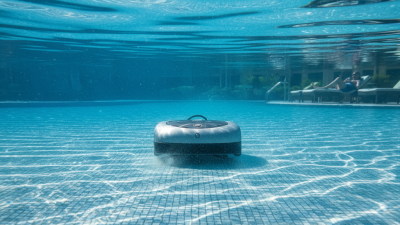
A robotic pool cleaner works like a small underwater technician. It uses an electric motor, rotating brushes, sensors, and a debris filter. After entering the pool, it follows programmed paths or responds to sensor feedback. Brushes loosen algae, sand, and leaves from the pool surface. A suction system pulls the loosened debris into an internal basket. Some cleaners climb walls when their traction remains strong. Water remains inside the pool during cleaning.
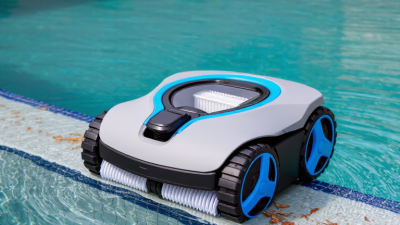
A Cordless Robotic Pool Vacuum uses a rechargeable battery instead of a floating power cable. Its battery powers movement, brushing, and suction for a limited cleaning cycle. Sensors can detect walls, drains, and changes in pool depth. A well-designed filter also prevents fine dirt from returning to the water. In practical use, battery life matters as much as cleaning strength. A larger pool may require multiple cycles. Remove the cleaner from the water before charging it.
Performance is not perfectly predictable. Leaves can block the intake, while worn brushes may leave dull tracks of dirt. I would inspect the filter after every cycle and rinse it with clean water. Check the brushes regularly for tangled hair or damaged fins. The best cleaner depends on pool shape, surface material, debris levels, and storage habits. Even advanced navigation can miss narrow steps or crowded corners. That small flaw deserves attention.
Which Pool Features Affect Cleaner Selection?
Choosing the best robotic pool cleaner begins with your pool, not the machine’s headline features. Pool size matters because cable length, battery capacity, and cleaning cycles must match the available area. A compact cleaner may suit a small rectangular pool, while a larger model handles wide surfaces more efficiently. Measure before buying.
Surface design also affects performance. Smooth concrete usually allows steady movement, but textured finishes can reduce traction. Vinyl liners need gentle contact, especially around seams. Deep pools, sloped floors, and sharp transitions may require stronger climbing ability. Steps are another concern. Many cleaners cannot climb narrow or curved steps, leaving small patches of dirt behind. That is easy to miss.
Look closely at the debris your pool collects. Fine dust needs an effective filtration basket, while leaves require larger intake space. If pollen gathers along the waterline, a robotic pool skimmer may be more useful than a floor-only cleaner. Pools near trees often need frequent emptying, even with powerful suction. Check the cable path around ladders and drains, too. Tangling wastes time.
A hands-on test is valuable. Watch whether the cleaner reaches corners, pauses on slopes, and returns reliably. Marketing claims can sound convincing. They are not always practical. I would also inspect filter access, handle comfort, and replacement-part availability. These small details become important after several weeks of use, and I have underestimated them before.
What Types of Robotic Pool Cleaners Are Available?
When choosing the best robotic pool cleaner, start with its cleaning range. Floor-only models are practical for pools with flat bottoms and limited debris. They usually cost less and finish routine cleaning quickly. However, they may leave leaves along walls or near steps. That limitation matters more than many product descriptions suggest.
Wall-climbing models use stronger traction to travel from the floor up the sides. Some also scrub the waterline, where sunscreen residue and fine dirt often collect. A cleaner with waterline coverage suits pools with frequent swimmer use. For irregular shapes, advanced navigation systems can reduce missed areas. Still, smart navigation is not perfect. Tight corners and unusual steps can confuse the machine.
Power options create another useful category. Corded cleaners provide steady power and often support longer cleaning cycles. Their floating cable needs careful storage to prevent tangles. Cordless models remove that inconvenience and are easier to lift from the deck. Their batteries, however, limit running time and require regular charging. In my experience, a cordless unit feels convenient after storms, but a corded model may handle heavy debris more consistently. Some models include fine filters for dust, while others use larger baskets for leaves. Check the filter access before buying. Wet, dirty baskets can be awkward to remove. A cleaner that matches your pool size, surface, steps, and typical debris will usually perform better than one with the longest feature list.
What Is the Best Robotic Pool Cleaner to Buy? - What Types of Robotic Pool Cleaners Are Available?
| Cleaner Type |
Typical Cleaning Area |
Power Source |
Main Strength |
Common Limitations |
Best Suited For |
| Basic Robotic Cleaner |
Pool floor |
Low-voltage electrical supply |
Simple operation and lower purchase cost |
Usually does not clean walls or the waterline |
Small, regular-shaped pools with mainly floor debris |
| Floor-and-Wall Robotic Cleaner |
Pool floor and walls |
Low-voltage electrical supply |
Provides broader surface coverage with independent filtration |
Wall climbing can vary with surface texture, slope, and waterline design |
Most residential pools needing routine floor and wall cleaning |
| Full-Coverage Robotic Cleaner |
Floor, walls, and waterline |
Low-voltage electrical supply |
Maximizes coverage and removes buildup near the waterline |
Generally costs more and may require more maintenance |
Large or heavily used pools with debris on multiple surfaces |
| Corded Robotic Cleaner |
Depends on the cleaning program |
Mains-powered control unit with a floating cable |
Supports longer cleaning sessions without recharging a battery |
The cable can tangle, drag, or require careful storage |
Owners who prioritize continuous operating time |
| Cordless Robotic Cleaner |
Usually the floor; some models cover additional surfaces |
Rechargeable battery |
Cable-free handling and quick deployment |
Runtime is limited by battery capacity and charging time |
Small to medium pools and users seeking simple storage |
| Fine-Debris Robotic Cleaner |
Targeted areas or the complete pool, depending on the model |
Corded or cordless |
Uses a fine filter to capture small particles such as dust and pollen |
Fine filters may clog faster and need more frequent rinsing |
Pools exposed to dust, pollen, sand, or cloudy fine debris |
| Heavy-Debris Robotic Cleaner |
Usually the pool floor and lower walls |
Corded or cordless |
Larger debris basket handles leaves and twigs more effectively |
May be heavier and less effective with very fine particles unless a fine filter is fitted |
Pools near trees or areas that receive frequent leaf fall |
The best choice depends on pool size, surface coverage, debris type, pool shape, operating time, filtration needs, and whether cable-free handling is important.
Which Features Matter Most When Comparing Models?
What Is the Best Robotic Pool Cleaner to Buy?
The best robotic pool cleaner depends on your pool, not a flashy feature list. Start with cleaning coverage. A reliable model should handle the floor, walls, and waterline if your pool collects grime above the water. Check whether it suits your pool surface, shape, and depth. A small cleaner may struggle in a large pool with sharp corners.
Navigation matters more than many buyers expect. Smart mapping can reduce missed strips and repeated passes. However, “smart” does not always mean perfect. I have seen cleaners circle drains or pause near steps, so real-world testing still matters. Look for stable movement, obstacle detection, and a route that does not waste battery power. Cleaning cycles of two hours or more can help with heavy debris.
A strong filter saves time. Choose a basket that lifts out easily and holds leaves, sand, and fine dust separately when possible. Transparent parts are useful because you can see when cleaning is needed. Battery life should match the pool’s size, with enough power for a complete cycle. Cordless designs look convenient, but charging time can become annoying during busy weeks. Consider brush quality, waterline grip, noise, warranty terms, and replacement-part availability. App controls may be helpful, though they should not replace simple physical controls. My own mistake was focusing on suction strength and ignoring filter access. Maintenance quickly became the least convenient part.
How to Compare Cleaning Performance, Cost, and Maintenance
Choosing the best Pool Automatic Pool Cleaner starts with cleaning performance, not appearance. A reliable model should remove fine dust, leaves, and small stones from the pool floor. Wall and waterline cleaning also matter, especially after windy weather. During a practical test, run the cleaner for 30 minutes and inspect the corners, steps, and drain area. A cleaner that misses one corner may struggle more in a larger pool.
Cost involves more than the purchase price. Check energy use, replacement filters, brushes, tracks, and bags. A lower-priced unit may become expensive if its filter clogs quickly or its parts wear after one season. Estimate yearly operating costs before buying. Include electricity and possible battery replacement. I once focused too heavily on the initial price and overlooked filter expenses. That comparison was incomplete.
Maintenance should be simple enough for weekly use. Look for an easy-to-open debris chamber and washable filters with clear access. After each cycle, rinse the filter with clean water and remove tangled hair from the brush. Check the cable for twisting, or inspect charging contacts on cordless models. Local repair support can be more valuable than extra cleaning modes. Some advanced features sound impressive, but they may add failure points. A basic cleaner that works consistently is often easier to trust. Still, pool shape, surface material, and debris levels can change the result. Test specifications are useful, but real pool conditions deserve more attention.
Pool Cleaning Trends: Grand View Research’s Pool Cleaning Robots Market Report and Tracy L2 Automatic Pool Cleaner
Pool cleaning is becoming increasingly automated as pool owners seek more convenient, efficient, and reliable maintenance solutions. Recent market trends show growing interest in robotic and automatic cleaners that reduce manual labor while delivering consistent results. Users are especially drawn to equipment that can handle multiple pool surfaces, operate quietly, and maintain performance without requiring constant supervision. These developments reflect a broader shift toward smart home convenience and practical water-care technology.
The L2 automatic pool cleaner is designed for above-ground swimming pools and combines quiet operation with powerful suction. Its fully automated cleaning system can remove dirt and debris from floors, walls, and steps, helping maintain a cleaner swimming environment with less daily effort. By covering several key areas of the pool, it offers a convenient alternative to traditional manual cleaning methods. Its straightforward operation makes it suitable for pool owners who want dependable maintenance while preserving more time for swimming and relaxation.
FAQS
Start with your pool, not an online ranking. Measure its size, depth, shape, and surface. A small rectangular pool needs different coverage from a wide pool. I once trusted a product description too much. That was a mistake.
It removes the floating cable from the deck. However, battery life must match the cleaning area. A cleaner stopping near the deep end still needs rescuing. Check charging indicators and lifting comfort.
Tile, vinyl, plaster, and textured surfaces affect traction. Brushes should clean firmly without leaving marks. Vinyl liners need gentle contact around seams. Slopes can expose weak climbing ability.
Some cleaners climb walls reliably. Narrow or curved steps often remain partly dirty. Watch a full cleaning cycle if possible. Inspect corners, transitions, and steps afterward.
Fine dust needs effective filtration. Leaves need a larger intake opening. Small stones can test suction and brush strength. Pools near trees may require frequent basket emptying.
Run the cleaner for about 30 minutes. Check corners, drains, steps, walls, and the waterline. Look for missed patches and repeated pauses. Claims are useful, but your pool is the real test.
Include electricity, filters, brushes, tracks, bags, and possible battery replacement. A low purchase price may hide higher yearly expenses. I once overlooked filter costs. My comparison was incomplete.
Rinse the filter with clean water after each cycle. Remove hair and grit from the brushes. Check cords for twisting, or inspect charging contacts. Small routines matter.
Choose clear controls, easy filter access, and a comfortable handle. Reliable navigation may matter more than extreme suction. Extra modes can add failure points. Simple can be better.
Conclusion
Choosing the best Robotic Pool Cleaner depends on how well it matches your pool, cleaning needs, and maintenance preferences. Unlike pressure or suction cleaners, a robotic model operates independently with its own motor, filtration system, and programmed cleaning patterns. It can collect debris, scrub surfaces, and improve water circulation while reducing the need for manual cleaning. Understanding how the cleaner moves and filters water helps you select a model that fits your routine.
Pool size, shape, depth, surface type, steps, and slopes can all affect performance. Available options may focus on floor cleaning, wall climbing, waterline scrubbing, or more complete coverage. When comparing models, consider navigation accuracy, suction strength, brush design, filtration capacity, cycle duration, energy use, and ease of retrieval. The best choice balances cleaning results with purchase cost, operating expenses, filter maintenance, durability, and storage requirements. A thoughtful comparison ensures reliable performance and practical long-term value.
 +86-574-5680 8878

 Contact Email