inquiry
Leave Your Message
0%

When it comes to picking a solar shower, it's not just about grabbing the biggest bag or the cheapest one out there. Honestly, you want something that actually fits your life – your routine, where you live, and how much space you've got. If you're a camper hiking out to the wild, you'd probably want something lightweight. But if it's for the family, you're better off with a bigger capacity and a steadier flow. The trick is finding one that feels right for you every day, not just one that looks cool on paper.

When you're really trying to pick one, you've got to look at things like how much water it can hold, how fast it heats up, whether the hose is flexible enough, how well the nozzle lets you control the stream, and if the materials feel like they'll last. Dark bags are great for soaking up sunlight, but honestly, their performance can be all over the place depending on clouds, the season, and just how warm the air is. Sure, a transparent temperature indicator might give you a bit more control, but it's not a substitute for you actually testing it on your skin—so always give it a quick splash on the inside of your wrist first. Trust your own touch, not just the gauge.

Portability is another thing you really have to think about. I mean, a full 20-liter bag? It gets heavy and clunky, and trying to hang it securely? Not fun. Sure, smaller systems are easier to carry, but they might not give you much rinsing time. So what to watch for? Look for reinforced handles, good leak-resistant seals, and a hanging solution that actually holds up. And honestly, don't just trust the pretty product photos—read the instructions and check what other customers say. That's where the real flaws show up.

Look, no single solar shower is perfect for every situation – that's just the truth. You might have one that's great on a sunny beach day, but the same one could totally let you down on a chilly, windy morning. So instead of just regurgitating marketing fluff, we actually dig into what matters: the practical stuff. We also talk about maintenance, storage, and safety, because those are the things that'll bite you later if you ignore them. In the end, you'll know exactly what you're getting and can pick a solar shower that'll be reliable day in, day out – no surprises.

How to Choose the Best Solar Shower?

What Is a Solar Shower and How Does It Work?

A solar shower is a simple water-heating system, not a shower powered directly by sunlight. A dark reservoir absorbs solar radiation, warms the water, and releases it through a hose and showerhead. Gravity creates pressure when the bag hangs from a branch or frame. Pump-operated designs provide stronger flow, but they add weight and possible failure points. On a clear afternoon, a black 20-liter bag can become surprisingly hot. Clouds can change that result quickly.

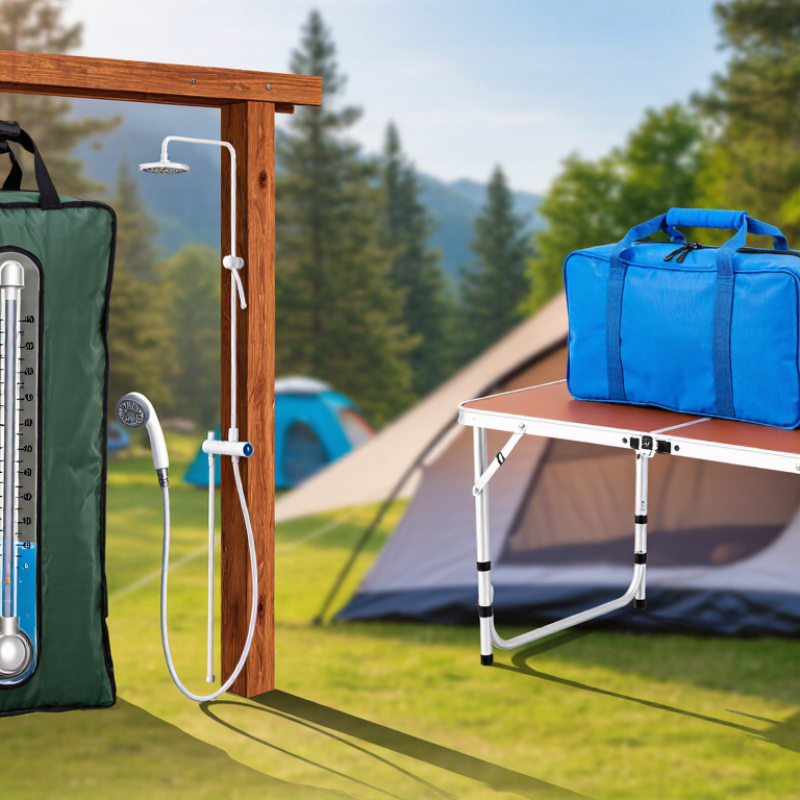
REN21’s Renewables 2024 Global Status Report estimates about 560 GWth of solar thermal capacity operated worldwide in 2023. This figure covers the wider solar-thermal sector, not portable showers. However, it confirms the basic principle behind Solar Shower Camping. The U.S. Department of Energy reports that water heating uses about 18% of household energy consumption. For outdoor use, choose a bag with sturdy handles, a reliable shutoff valve, and a temperature indicator. A wide opening also makes filling and cleaning easier. Capacity matters. Twenty liters may suit two short showers, but it feels heavy when lifted.

Tips: Place the reservoir flat in direct sunlight. Test the water on your wrist first. Never trust warmth alone. I still think temperature indicators deserve more attention. A warm-looking bag can produce uncomfortable water, especially after long exposure. Look for replaceable hoses and secure hanging points, too. Small failures become inconvenient beside a cold campsite.

Which Solar Shower Type Best Fits Your Outdoor Needs?

Choosing the right Outdoor Solar Shower depends on how and where you camp. A gravity-fed shower bag suits hikers who value low weight and simple packing. Fill it, place it in direct sunlight, and hang it from a sturdy branch. A five-gallon bag can feel heavy, so check the support before lifting it. Small tents and short trips may need only two gallons.

A pressurized solar shower offers stronger water flow. It works well at beaches, campsites, and outdoor work areas where rinsing sand matters. However, pumping requires effort, and pressure can drop quickly. An upright solar shower with a stable base feels more convenient for family camping. It usually provides better access, but it takes more space in a vehicle. Consider your water supply, privacy setup, and heating time before choosing.

My first solar shower choice was too large for a weekend hike. The bag stayed unused in my pack. That mistake changed how I compare equipment. Now I check packed size, hose quality, valve control, and temperature markings. Dark containers heat faster, but sunlight varies with clouds and season. Test the water on your wrist before use. Very hot water can cause burns, especially for children. For repeated trips, select a model with cleanable surfaces and a replaceable hose. A simple design is often easier to trust, though not always easier to use.

How to Choose the Best Solar Shower? - Which Solar Shower Type Best Fits Your Outdoor Needs?

Solar Shower Type How It Works Typical Capacity Heating Performance Water Pressure Portability Key Advantages Limitations Best For
Gravity-Fed Shower Bag A flexible dark-colored bag absorbs solar energy and releases water through a hose when the bag is hung above the user. 5–10 gallons
(19–38 liters)
Good in direct sunlight; commonly reaches a comfortable warm temperature after several hours, depending on weather and starting water temperature. Low to moderate; depends mainly on hanging height and water level. ★★★★★
Very easy to pack and carry.
Lightweight, simple, affordable, and requires no batteries or fuel. Needs a sturdy elevated support; pressure decreases as the bag empties; heating is weather-dependent. Backpacking, camping, beach trips, and occasional outdoor use.
Pressurized Pump Shower Water is stored in a container and pressurized manually or by an integrated pump before showering. 1.5–5 gallons
(6–19 liters)
Usually requires preheated water or a separate solar-heating container; the pump itself does not heat water. Moderate to high; generally more consistent than a gravity-fed bag. ★★★★☆
Compact, but heavier than a simple bag.
Better spray control, flexible placement, and no need to hang the water container. Limited water volume; pumping is required; water temperature may need to be managed separately. Car camping, campsite cleaning, washing pets, and gear rinsing.
Solar Shower with Integrated Heater Uses a dark reservoir or solar-absorbing panel to warm stored water before it is delivered through a hose or showerhead. 3–10 gallons
(11–38 liters)
Good under strong sunlight; performance drops significantly in cloudy, cool, or windy conditions. Low to moderate unless paired with a pump or pressurized tank. ★★★☆☆
Typically bulkier than a basic shower bag.
Provides a more dedicated warm-water setup and can offer greater capacity. Requires sun exposure and setup space; warm-up time can be several hours. Extended camping, family outings, and campsites with reliable sunlight.
Battery-Powered Pump Shower A rechargeable or battery-powered pump draws water from a bucket, container, or natural-water source and sends it to a showerhead. Depends on the external water container; commonly 2–10 gallons
(8–38 liters)
Does not heat water; use separately warmed water and always mix it carefully before use. Moderate and relatively steady while the battery and water supply last. ★★★★☆
Portable, but requires a pump and power source.
Convenient water flow, easy operation, and no need to suspend a water bag. Needs charging or replacement batteries; electronic parts require protection from water. Vehicle-based camping, outdoor sports, and frequent campsite showers.
Solar Shower Bag with Foot Pump A solar-heated bag is connected to a manual foot pump that improves water flow without batteries. 4–10 gallons
(15–38 liters)
Good in direct sunlight; the pump improves delivery but does not speed up solar heating. Moderate; usually stronger and more controllable than a gravity-only design. ★★★★☆
Portable but includes extra components.
Combines solar warming with better pressure and hands-free pumping. Requires floor space and manual pumping; more parts can mean more maintenance. Campers who want warm water with improved pressure but no battery.
Portable Solar Shower Cubicle System Combines a solar-heated water container, shower hose, and privacy enclosure in one larger outdoor setup. 5–12 gallons
(19–45 liters)
Good when the water container receives several hours of direct sunlight. Low to moderate; may be improved with a compatible pump. ★★☆☆☆
Less compact and usually intended for vehicle transport.
Offers privacy, organization, and a more comfortable shower experience. Heavier, slower to set up, and less suitable for long-distance carrying. Family camping, organized campsites, and longer outdoor stays.
Safety note: Solar heating is affected by sunlight intensity, ambient temperature, wind, container color, and exposure time. Always test the water temperature before use, mix hot and cold water when necessary, and never use untreated natural water for bathing without confirming that it is safe.

How to Compare Capacity, Heating Time, and Water Temperature

Choosing a Portable Solar Shower starts with capacity, not appearance. A compact 5-liter bag suits a quick rinse after hiking. For two people, 10 to 20 liters feels more practical. However, extra water adds weight and takes longer to warm. I once carried too much water for a short campsite wash. It was unnecessary effort.

Heating time depends on sunlight, starting water temperature, and container color. Under strong midday sun, dark containers may warm water within three hours. Cloud cover can extend that period dramatically. Check the actual temperature with a simple thermometer, rather than trusting touch. Water that feels warm to one person may feel painfully hot to another. Aim for roughly 38 to 43°C for comfortable washing, then test a small amount. Never pour very hot water directly onto skin.

A useful comparison records liters, heating hours, and measured outlet temperature. Repeat the test on a similar day. Product descriptions often reflect ideal conditions, while real campsites include wind, shade, and cold ground. A shower head can reduce flow, making a smaller tank last longer. Still, slow heating can be frustrating before an early morning departure. My first timing estimate was wrong. I would choose reliable temperature control over a larger capacity when comfort matters most.

What Materials and Features Ensure Safe, Comfortable Use?

How to Choose the Best Solar Shower?

A reliable Poolside Solar Shower begins with safe, heat-resistant materials. Choose a tank made from UV-stabilized, BPA-free plastic or durable stainless steel. The surface should remain smooth after long exposure to sunlight. Cheap plastic can become brittle, especially near chlorinated pools.

Look for a wide, stable base and a non-slip platform. Wet feet make balance difficult. A temperature mixer is essential because stored water may become dangerously hot. Some models include a temperature indicator, which is useful but not always perfectly accurate. Test the water on your wrist before stepping underneath. I once trusted the setting too quickly, and the first spray was uncomfortably hot. That small mistake changed how I check outdoor equipment.

The hose and fittings should resist corrosion, cracking, and repeated bending. Stainless steel connections are usually more dependable than thin, uncoated metal. Select a showerhead with adjustable flow, so rinsing sand does not waste excessive water. A shut-off valve near the handle also improves control. Check that the structure is firmly anchored, particularly in windy gardens or crowded pool areas. Clean the tank regularly, drain it before freezing weather, and store removable parts in a dry place. Inspect seals before each season. They can fail quietly. Comfort also depends on privacy, drainage, and enough space to turn without touching a hot tank.

How to Choose the Best Solar Shower?

Materials and features that support safe, comfortable use

Lower thermal conductivity generally helps flexible shower materials transfer less heat to the outside and remain more comfortable to handle. Typical values shown here are representative room-temperature figures and can vary by formulation. For safe use, choose a UV-resistant, food-contact-compliant polymer, reinforced seams, a secure shut-off valve, and a temperature indicator. Always test the water before showering because solar heating can produce very hot water.

How to Choose the Right Solar Shower Size and Portability

How to Choose the Best Solar Shower?

Choosing the right solar shower starts with capacity, not appearance. A one-person shower usually needs 5 to 10 liters of water. Two campers may need 15 to 20 liters, especially after dusty hikes. Remember that one liter of water weighs about one kilogram. A full 20-liter bag can become difficult to lift safely. Test the carrying handle before filling it completely. A wide grip feels better than a thin strap.

Packed size also matters. A roll-up shower can fit inside a small backpack pocket. A rigid container offers better protection but takes more space. Check its empty weight, folded dimensions, hose length, and nozzle controls. These details affect daily use more than bright colors or extra accessories. Dark surfaces often absorb sunlight efficiently, but heating depends on sunlight, air temperature, and water volume. Never assume the shower will heat quickly on a cloudy afternoon.

Portability involves more than carrying distance. Consider where you will hang the shower, drain used water, and store it after use. A compact model may be convenient, yet its small nozzle can make rinsing slow. I once underestimated this tradeoff on a long camping trip. The bag packed neatly, but the weak flow tested my patience. A careful choice balances capacity, packed size, lifting comfort, and water control. Some compromises remain.

How to Evaluate Durability, Maintenance, and Overall Value

Choosing a solar shower requires more than checking its advertised capacity. Inspect the bag, seams, handle, hose, and valve closely. A full 20-liter bag can weigh about 20 kilograms, so weak stitching may fail under real use. Dark, reinforced materials usually heat faster, but ultraviolet exposure can cause cracking over time.

The International Energy Agency’s Solar Heating and Cooling Programme reports more than 500 GWth of solar thermal capacity worldwide. That scale confirms the technology, not every portable product.

Maintenance directly affects durability. Rinse the reservoir after each trip and let it dry completely before storage. This reduces odor, residue, and microbial growth. Check the hose connection before filling it. Replace damaged seals early.

The U.S. Department of Energy estimates many solar water-heating systems can operate for 10 to 20 years, but portable showers face harsher folding and abrasion. Their lifespan is often much shorter. Product ratings can also be optimistic.

I once trusted a thick-looking handle that stretched after repeated loading.

Tips:

Choose a shower with a wide filling opening, visible water markings, and replaceable fittings. Test it at home first. Fill it halfway, hang it from a secure point, and inspect every seam after 30 minutes.

For overall value, compare price with capacity, repairability, warranty length, drying time, and storage size. A cheaper model becomes expensive if its valve leaks or its bag cannot dry properly. Look for tested temperature limits, but treat them cautiously because sunlight, wind, and starting water temperature change results.

FAQS

Which solar shower type suits a lightweight hiking trip?

A gravity-fed shower bag works well. Fill it, warm it in sunlight, and hang it from a strong branch. It packs easily.

How much water does one person usually need?

One person often needs 5 to 10 liters. Water is heavy. One liter weighs about one kilogram.

Is a large shower bag always better?

No. A full 20-liter bag can be difficult to lift safely. Choose a smaller capacity for short trips or small tents.

What should campers check before hanging a water bag?

Check the branch, handle, and hanging point. A filled bag creates serious weight. Do not trust a thin strap too quickly.

When is a pressurized solar shower useful?

It provides stronger water flow for rinsing sand after beaches or dusty outdoor work. Pumping takes effort, and pressure may fall quickly.

Are upright solar showers suitable for family camping?

They offer easier access and a stable base. However, they occupy more vehicle space. Privacy and drainage still need planning.

How can users improve solar water heating?

Place the container in direct sunlight. Dark surfaces may heat faster, but clouds, seasons, air temperature, and water volume matter.

How should users check water temperature?

Test the water on your wrist first. Very hot water can burn children. I once trusted sunlight too much.

What portability details matter beyond packed size?

Check empty weight, folded dimensions, hose length, handle comfort, and nozzle controls. A compact bag can still have weak flow.

What features help with repeated outdoor use?

Choose cleanable surfaces and a replaceable hose. Simple designs may be easier to trust, though sometimes less convenient.

Conclusion

Choosing the best Solar Shower begins with understanding how it uses sunlight to warm water inside a dark, heat-absorbing container. For outdoor activities such as camping, hiking, beach trips, or emergency washing, consider whether a hanging bag, portable tank, or pressurized model best matches your needs. Compare water capacity, heating time, and temperature control to ensure the shower can provide enough warm water without becoming excessively hot. A built-in temperature indicator or adjustable flow control can improve comfort and safety.

Material quality is also important. Look for durable, non-toxic, weather-resistant construction, secure handles, reliable valves, and a comfortable shower nozzle. The ideal size should balance sufficient capacity with easy transport and storage. Finally, evaluate how simple the shower is to clean, dry, repair, and maintain. A durable design with practical features may cost more initially but can offer better long-term value through safer use, fewer replacements, and dependable performance in different outdoor conditions.

Sophia

Sophia

Sophia is a dedicated marketing professional with a deep expertise in the swimming pool and spa industry. She is passionate about creating engaging content that showcases the innovative products designed by her company, which is a leader in pool cleaning and maintenance solutions. With a keen eye......
Previous China Top Pool Wall Brush Manufacturers?