
 +86-574-5680 8878

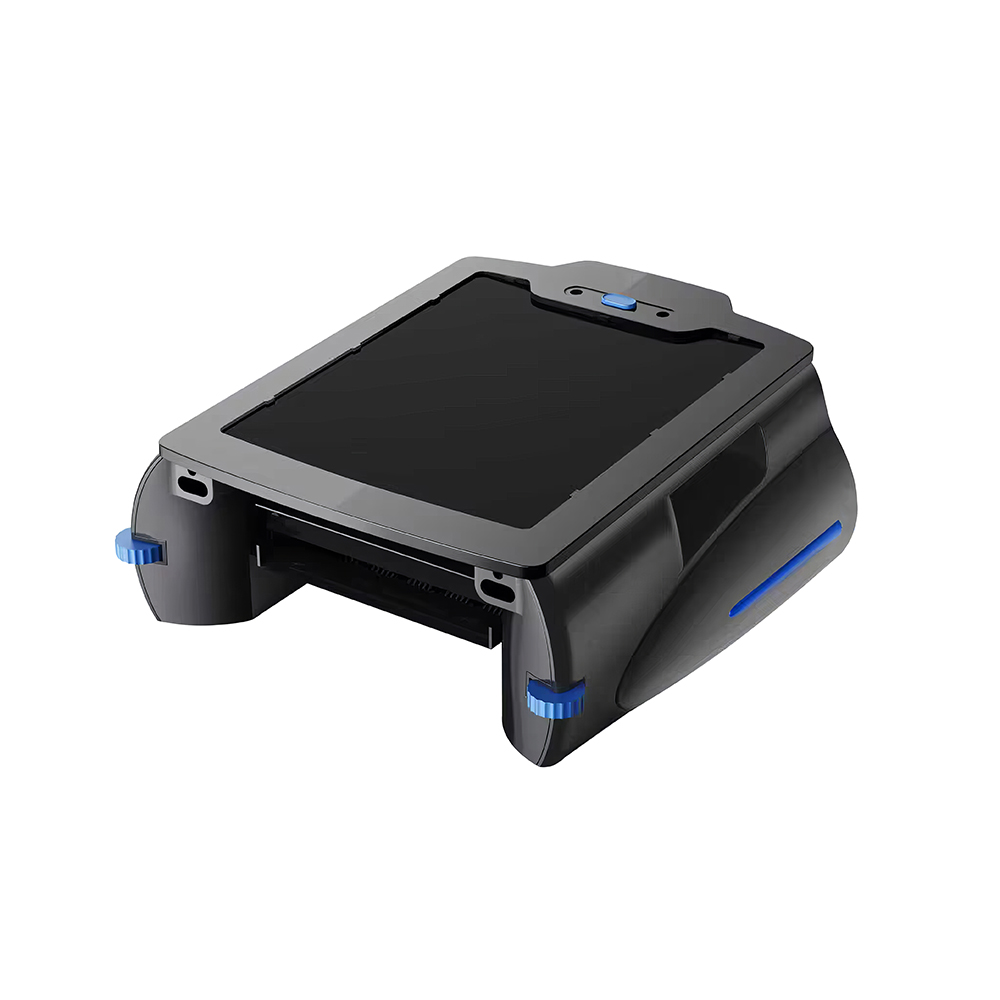
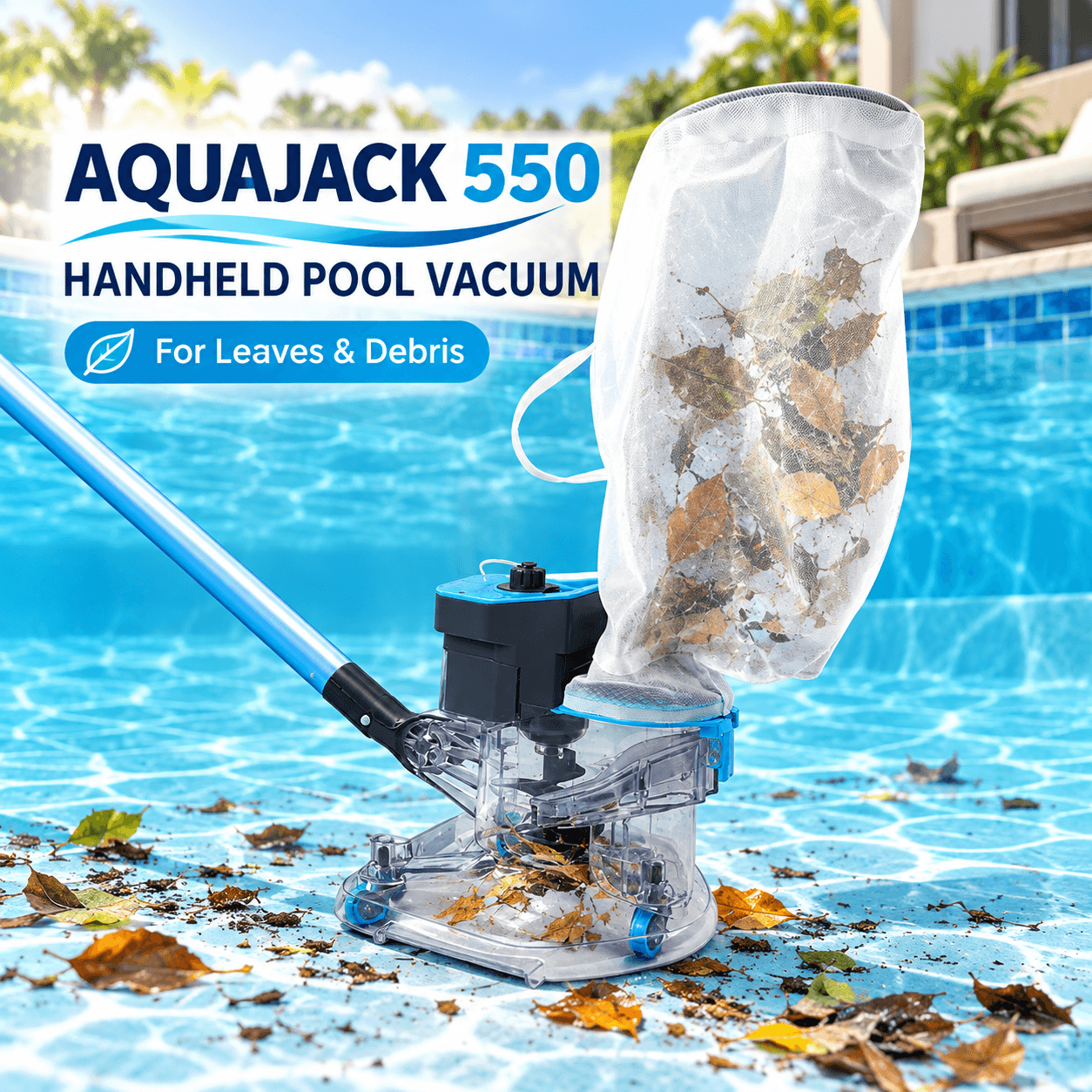
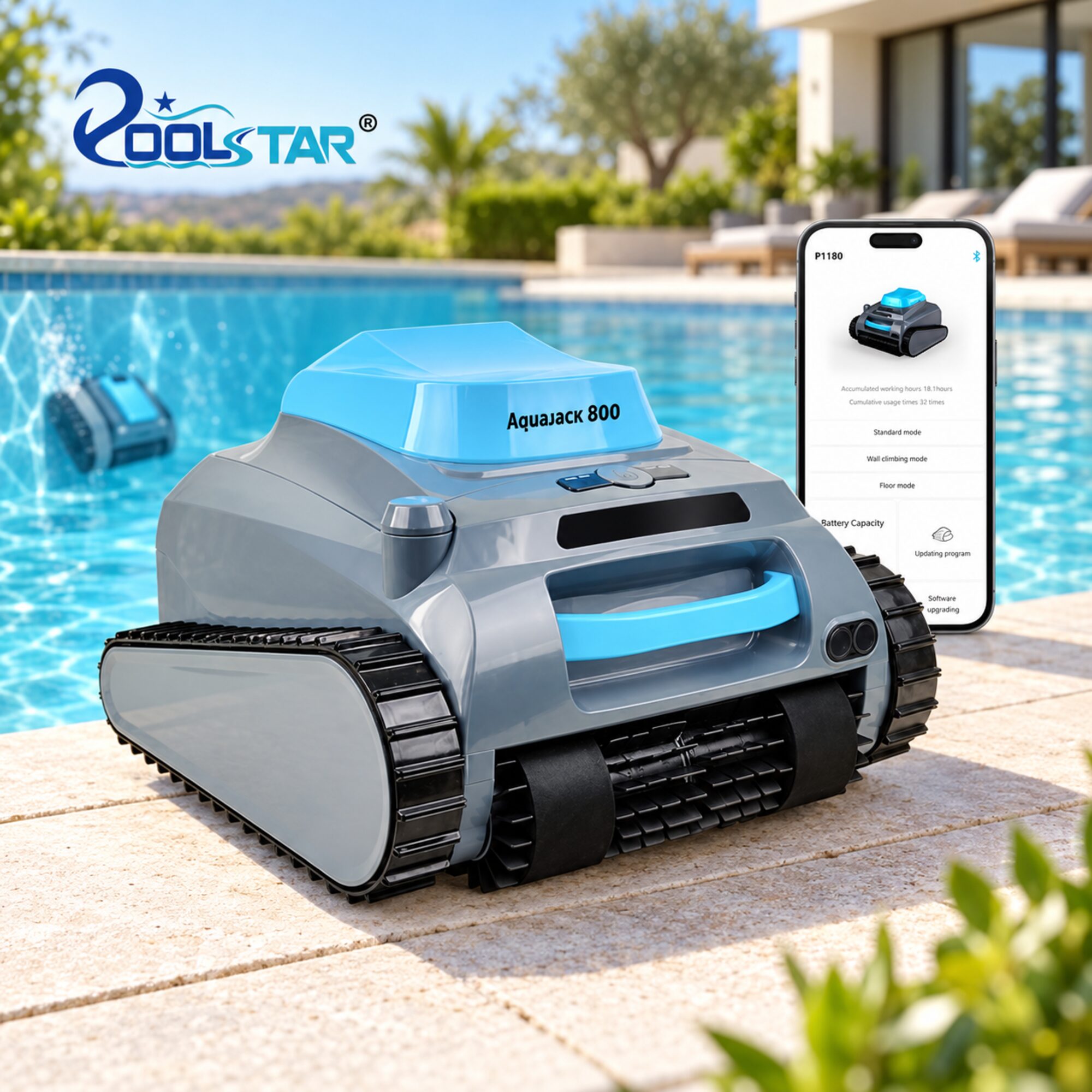
0102030405
How Does AquaJack 900 Automatically Collect Leaves From a Pool?
2026-09-27
1. AquaJack 900 Operates on the Pool Surface
The first difference between AquaJack 900 and a conventional pool vacuum is where it operates.
AquaJack 900 is designed to remain on the water surface.
This is important because leaves and other large debris normally remain floating at the top of the pool rather than settling immediately to the bottom.
Instead of waiting for surface debris to sink and then trying to remove it, AquaJack 900 is designed to collect it while it is still floating.
Surface Cleaning vs. Floor Cleaning
AquaJack 900:
Water surface → floating leaves and large debris
Pool vacuum:
Underwater / pool floor → submerged dirt and debris
The two products address different cleaning areas and can therefore be complementary.
2. Cordless Operation Allows Free Movement
AquaJack 900 uses a rechargeable battery rather than a power cable during operation.
This cordless design allows the cleaner to move across the pool surface without a power cord trailing behind it.
For a surface-cleaning product, this is particularly useful because the cleaner needs to move around the pool to encounter floating debris.
Cordless operation also makes deployment straightforward:
Place it on the water → start the cleaner → allow it to collect floating debris.
There is no need to manage a long power cable across the pool during routine surface cleaning.
3. AquaJack 900 Moves Across the Water
Once deployed, AquaJack 900 moves across the pool surface.
As it travels, it encounters floating leaves and other large debris.
The objective is simple:
Cover the water surface and bring floating debris into the collection area.
The cleaner does not need to clean the pool floor to perform this task.
Its job is specifically focused on the upper layer of the pool where floating debris accumulates.
This makes AquaJack 900 particularly relevant for pools that experience frequent leaf accumulation.
4. Floating Leaves Are Collected Into the Filter
As AquaJack 900 moves through the water, floating debris is directed into its collection system.
Leaves and other larger debris are captured by the integrated filter.
The debris remains inside the cleaner rather than being left floating behind it.
This is the basic cleaning cycle:
Move → encounter debris → collect → retain debris
The process is designed around one primary cleaning target:
large floating debris on the pool surface.
5. The 10-Liter Filter Provides Large Collection Capacity
One of the defining features of AquaJack 900 is its 10-liter single filter.
Filter capacity matters when collecting leaves because leaves can take up considerably more physical space than fine particles.
A small debris container may need to be emptied frequently when a pool has a large amount of leaf accumulation.
The 10-liter capacity gives AquaJack 900 substantial space for collecting leaves and other large floating debris before the filter needs to be emptied.
Why 10 Liters Matters
Consider a pool located near several mature trees.
After a windy day, the surface may contain a significant amount of leaves.
A cleaner with limited debris capacity may require frequent emptying during maintenance.
A larger-capacity filter provides more room for the collected debris.
This makes filter capacity an important specification to consider when comparing robotic pool surface skimmers.
6. The Single Filter Has a Specific Purpose
AquaJack 900 uses a single large-capacity filter.
This design is intentionally focused on its primary application:
collecting leaves and large floating debris.
It is important not to confuse a large debris filter with a fine-particle filtration system.
AquaJack 900 is not primarily designed to collect:
-
Fine dust
-
Pollen
-
Very small suspended particles
Instead, it is optimized for visible floating debris such as leaves and larger debris.
This clear product positioning helps users select the right cleaning equipment for the right job.
7. What Happens After the Cleaning Cycle?
Once AquaJack 900 has collected floating debris, the filter can be removed and emptied.
The user can dispose of the collected leaves and prepare the cleaner for its next cleaning cycle.
Routine maintenance therefore follows a simple process:
Step 1
Remove the cleaner from the pool.
Step 2
Access the filter.
Step 3
Empty the collected leaves and debris.
Step 4
Clean the filter if necessary.
Step 5
Recharge the cleaner for its next use.
The exact maintenance procedure should follow the product manual and final production configuration.
What Types of Debris Can AquaJack 900 Collect?
AquaJack 900 is primarily designed for large floating debris.
Typical examples include:
-
Leaves
-
Small floating plant debris
-
Larger visible debris
-
Other similar floating material
Its 10-liter filter provides space for collecting this type of debris.
However, users should understand the distinction between debris collection and fine-particle filtration.
AquaJack 900 should not be considered a replacement for the pool's primary filtration system.
Can AquaJack 900 Collect Dust or Pollen?
AquaJack 900 is primarily designed for leaves and larger floating debris.
It uses a single large-capacity filter rather than a fine-particle filtration system specifically designed for dust or pollen.
Therefore, if your primary concern is fine particles, the pool's circulation and filtration system remains an important part of water maintenance.
AquaJack 900 addresses a different problem:
floating leaves and large surface debris.
This distinction is important when selecting pool-cleaning equipment.
AquaJack 900 vs. a Traditional Pool Vacuum
AquaJack 900 and a pool vacuum may both be described as pool-cleaning equipment, but their cleaning applications are different.
| Cleaning Task | AquaJack 900 | Pool Vacuum |
|---|---|---|
| Pool water surface | ✓ | Not the primary application |
| Floating leaves | ✓ | Not the primary application |
| Large floating debris | ✓ | Not the primary application |
| Pool floor | Not designed for this | ✓ |
| Submerged dirt | Not the primary application | ✓ |
| Automatic surface cleaning | ✓ | Depends on product |
This is why AquaJack 900 should not be viewed simply as another type of pool vacuum.
It is a dedicated surface-cleaning solution.
AquaJack 900 vs. Manual Skimming
A manual pool net can remove leaves effectively, but it requires someone to perform the work.
AquaJack 900 is designed to automate the repetitive part of surface debris collection.
| AquaJack 900 | Manual Pool Net | |
|---|---|---|
| Operation | Automatic | Manual |
| User involvement | Lower | Active |
| Cleaning area | Water surface | Water surface |
| Main debris | Leaves / large debris | Leaves / large debris |
| Power cable | No | No |
| Collection | 10L filter | Net |
For occasional spot cleaning, a manual net remains useful.
For recurring surface debris, automatic cleaning can reduce the need for repeated manual intervention.
Who Can Benefit From AquaJack 900?
Residential Pool Owners
AquaJack 900 can help reduce the repetitive task of manually removing leaves from an outdoor swimming pool.
It is particularly relevant for pools that are exposed to trees, wind and seasonal leaf fall.
Pool Service Professionals
For pool maintenance companies, surface debris collection is often part of routine service.
A cordless robotic surface skimmer provides another tool for addressing this specific task.
Pool Equipment Distributors
For distributors, AquaJack 900 provides a product category focused on automatic pool surface cleaning rather than conventional underwater cleaning.
Pool Equipment Brands
AquaJack 900 can also be offered as an OEM/ODM platform for brands developing cordless pool maintenance products.
When Is AquaJack 900 Most Useful?
AquaJack 900 is particularly relevant when the main cleaning problem is:
“There are too many leaves floating on the pool surface.”
Typical situations include:
-
Pools surrounded by trees
-
Outdoor residential pools
-
Windy environments
-
Seasonal leaf fall
-
Pools requiring frequent surface maintenance
-
Properties where manual skimming is repetitive
The product is less relevant when the main problem is fine dust, pollen or dirt that has already settled on the pool floor.
In those situations, other pool-cleaning or filtration equipment may be more appropriate.
A Simple Way to Understand AquaJack 900
The easiest way to understand AquaJack 900 is to think about where the debris is located.
Floating on the surface?
Use a surface-cleaning solution.
Sitting on the pool floor?
Use an appropriate underwater or pool-floor cleaner.
Fine particles circulating in the water?
The pool's filtration system plays the primary role.
AquaJack 900 is designed for the first situation.
The AquaJack 900 Cleaning Concept
The AquaJack 900 approach can be summarized in five steps:
01 — Deploy
Place AquaJack 900 on the pool surface.
↓
02 — Move
The cordless cleaner moves across the water.
↓
03 — Encounter
The cleaner encounters floating leaves and large debris.
↓
04 — Collect
The debris enters the integrated collection system.
↓
05 — Empty
The user removes and empties the 10-liter filter after cleaning.
This focused approach allows AquaJack 900 to address one of the most common repetitive tasks in outdoor pool maintenance.
A Dedicated Solution for Floating Pool Debris
Pool cleaning does not have to rely on one device performing every task.
Different cleaning technologies address different types of debris and different areas of the pool.
AquaJack 900 is designed specifically for automatic surface debris collection.
With cordless operation and a 10-liter single filter, it provides a dedicated solution for collecting leaves and other large floating debris from the pool water surface.
It does not replace a pool vacuum or the pool's main filtration system.
Instead, it complements them by addressing a different part of pool maintenance:
keeping floating debris under control before it becomes another manual cleaning task.
AquaJack 900
Cordless. Automatic. Surface-focused.
Designed for leaves and large floating debris.