inquiry
Leave Your Message
0%

Deciding on the right Pool Cleaning Tools in 2026 isn’t just about comparing suction power or fancy tech features. Today’s pool owners want cleaner water, less time spent on maintenance, and fewer chemical mishaps. According to reports from Grand View Research and MarketsandMarkets, the big trends pushing the industry forward are automation, connected gear, and making labor easier. They’re pointing to a clear move toward robotic cleaners, water-testing systems, and energy-efficient filtration setups.

But here’s the thing—no single tool is perfect for every pool.

A small robotic cleaner can work perfectly in a tiled backyard pool but might struggle with heavy leaves, tricky corners, or a steep wall. That’s where manual tools still come in—like brushes, telescopic poles, skimmers, cartridge filters, and good old reliable test kits. And that’s something you don’t always see in those shiny comparisons online.

Rudy Stankowitz, a well-known expert and water-care pro in the pool industry, likes to remind people, “Automation should help reduce repetitive tasks, not take over responsibility.” His point is super relevant for anyone shopping in 2026. Smart devices can map your pool’s surface, keep an eye on water quality, and even send alerts to your phone. But they can’t replace an experienced eye for inspection, proper setup, or good judgment.

This guide takes a look at some of the top Pool Cleaning Tools expected to be popular in 2026. We’re talking cleaning efficiency, durability, maintenance costs, energy use, and how practical they are in real life. Sure, industry reports offer useful info, but nothing beats hands-on experience. A tool that looks amazing online might clog up when faced with leaves under a palm tree, and another that saves hours each week might need pricey parts down the line.

Of course, no list is perfect. Your pool size, surface type, how much debris you get, and your own comfort with the tools will all influence what’s right for you.

What Are the 2026 Top Pool Cleaning Tools?

What Defines a Top Pool Cleaning Tool in 2026

What Defines a Top Pool Cleaning Tool in 2026

A top Swimming Pool Cleaning tool should solve a measured problem, not merely look advanced. The CDC’s Model Aquatic Health Code recommends maintaining pH between 7.0 and 7.8, with at least 1 ppm free chlorine in typical pools. Therefore, useful tools should support accurate testing, steady circulation, and thorough debris removal. A reliable digital tester, fine-mesh skimmer, and brush with firm but non-abrasive bristles remain essential.

Precision matters more than novelty.

Energy performance also defines quality. The U.S. Department of Energy reports that variable-speed pool pumps can significantly reduce electricity use compared with single-speed models, especially when operated at lower speeds for filtration. In practical Swimming Pool Cleaning work, that means a tool should remove dirt without forcing the pump to run at maximum power. Robotic cleaners should map corners, climb walls consistently, and avoid leaving a dusty trail near steps. Features are useful only when they work in real water.

A top tool should also be easy to inspect and maintain. PHTA guidance emphasizes proper circulation, filtration, and water testing as connected parts of pool safety. A clogged filter basket, weak battery, or leaking hose can quietly undermine the entire routine. I have found that complicated equipment often gets neglected after a few frustrating uses. That is a weakness worth admitting. The best 2026 tools may be the ones with clear readings, replaceable parts, safe materials, and controls that a tired pool owner can understand beside a wet deck.

What Are the 2026 Top Pool Cleaning Tools? — What Defines a Top Pool Cleaning Tool in 2026
Tool Category Primary Cleaning Function Typical Coverage or Capacity Typical Operating Requirement Key 2026 Performance Criteria Best For Overall Practical Value
Autonomous Robotic Pool Cleaner Collects leaves, sand, dust, and other debris with an independent motor and internal filter. Designed for the pool floor; advanced models may also clean walls and the waterline. Rechargeable battery or low-voltage power supply; does not normally depend on the pool circulation pump. Independent operation, fine filtration, wall-climbing ability, scheduled cleaning, obstacle handling, and easy debris removal. Regular automated floor and wall cleaning with minimal supervision. ★★★★★
Suction-Side Pool Cleaner Uses suction from the pool circulation system to remove dirt and small debris. Usually cleans the pool floor and may reach lower walls depending on the design and surface. Connected to a dedicated suction port or skimmer; requires the circulation pump to run. Stable movement, low maintenance, compatibility with the pool surface, and efficient use of existing filtration. Pools requiring a relatively simple automatic cleaner with low equipment complexity. ★★★★☆
Pressure-Side Pool Cleaner Uses return-line water pressure to move debris into a separate filter bag. Typically cleans the pool floor and collects larger debris before it reaches the main filter. Requires a pressure connection; some installations need a dedicated booster pump. Large debris capacity, reduced load on the main filter, reliable movement, and simple bag emptying. Pools exposed to leaves, insects, and other relatively large debris. ★★★★☆
Manual Vacuum Head and Telescopic Pole Directly removes settled debris through a vacuum head connected to a hose. Suitable for targeted floor cleaning and spot treatment in pools of any practical size. Requires a telescopic pole, vacuum hose, and operating pool pump or external suction source. Weighted stability, flexible brushes, swivel hose connection, durable wheels, and precise control. Deep cleaning, corners, steps, small pools, and areas missed by automatic cleaners. ★★★★☆
Manual Leaf Skimmer Removes floating leaves, insects, and surface debris before they sink. Common telescopic poles extend approximately 8–16 feet, depending on the model. Human-powered; no electricity or pool-pump connection required. Fine but strong mesh, reinforced frame, low-drag design, secure pole connection, and corrosion resistance. Daily surface maintenance and fast removal of leaves after storms. ★★★★★
Wall and Tile Brush Loosens algae, biofilm, and dirt from walls, steps, corners, and tile lines. Available in common widths of approximately 10–18 inches for routine pool maintenance. Manual operation with a compatible telescopic pole. Correct bristle type for the pool surface, rigid construction, corner reach, and resistance to chemical exposure. Preventive brushing and surfaces that require agitation before vacuuming. ★★★★☆
Waterline Cleaning Tool Removes oils, sunscreen residue, scale, and dirt accumulated around the waterline. Focused cleaning of the waterline, tile edge, skimmer area, and steps. Manual use; some systems use replaceable pads or compatible cleaning accessories. Non-abrasive cleaning action, compatibility with vinyl, fiberglass, plaster, and tile, and controlled water use. Maintaining visible waterline areas and preventing buildup. ★★★★☆
Pool Surface Skimmer or Floating Debris Collector Continuously collects floating debris from the water surface. Works across the surface area while the pool circulation system is operating. Uses water movement, circulation flow, or a floating collection design. Low flow restriction, stable positioning, large debris capacity, and easy emptying. Reducing surface debris before it reaches the skimmer basket or filter. ★★★☆☆
Filter Basket and Pump-Basket Cleaning Tools Removes leaves and debris from skimmer baskets, pump baskets, and pre-filter areas. Designed for localized basket and intake maintenance rather than whole-pool cleaning. Used when the circulation system is switched off and isolated safely. Quick access, hand protection, durable material, and prevention of unnecessary pump blockage. Maintaining water flow and protecting circulation equipment. ★★★★☆
Pool Water Testing Kit or Digital Water Tester Measures key water parameters that influence sanitation, clarity, and equipment protection. Common testing targets include free chlorine, pH, total alkalinity, and sometimes cyanuric acid. Color-comparison reagents, test strips, or an electronic sensor system. Repeatable readings, clear calibration guidance, adequate testing range, and simple record keeping. Preventing cloudy water, algae growth, corrosion, and scale through informed maintenance. ★★★★★
Selection benchmarks are based on typical residential pool equipment characteristics. Actual coverage, runtime, filtration performance, and compatibility vary by pool size, surface type, debris load, circulation system, and manufacturer specifications.

How to Choose Tools for Different Pool Surfaces and Sizes

What Are the 2026 Top Pool Cleaning Tools?

Choosing pool cleaning tools in 2026 starts with the surface, not the latest feature. I have found that the wrong brush can leave marks on delicate finishes. A soft nylon brush suits vinyl liners and painted pools. It cleans without excessive pressure. Plaster and concrete usually need stiffer bristles for embedded dirt. Tile requires a gentle tile brush, especially around grout. Use a manual vacuum head with rounded edges to reduce scraping.

Pool size changes the best equipment choice. For a small pool, a telescopic pole, leaf skimmer, and compact vacuum may be enough. They are simple and easy to control.

Larger pools benefit from an automatic cleaner, a wide skimmer net, and a longer pole. A cleaner with strong wall coverage can reduce missed areas. However, automatic equipment still needs inspection. Corners, steps, and waterline stains often escape it.

Test the tool carefully.

Waterline pads can remove oily marks, but aggressive scrubbing may dull some finishes. Check the surface guide before using any abrasive material. I once assumed stronger suction meant faster cleaning; it created extra maintenance instead. Flow rate, hose length, and pump compatibility matter more than impressive specifications. Keep brushes rinsed after use, and replace cracked vacuum hoses promptly. Pool conditions vary, so observe the surface after each cleaning session and adjust pressure, brush type, and cleaning frequency.

Essential Manual Tools for Everyday Pool Maintenance

Everyday pool care depends on simple manual tools used consistently. A telescopic pole reaches deep areas without forcing your shoulders. Attach a leaf net and remove insects, leaves, and floating debris before they sink. Do it early. A clean surface makes later cleaning easier and protects the filtration system from unnecessary strain.

A stiff pool brush helps loosen algae along walls, steps, and corners. Choose bristles suited to the pool surface, because excessive pressure can cause damage. Use a manual vacuum head for settled dirt, moving slowly to avoid stirring the water. I have found that rushing creates cloudy patches and repeats the work. Pool Cleaning Accessories should include a skimmer basket, water test kit, brush, net, and vacuum hose. Keep each item rinsed and stored away from direct sunlight.

Water testing is another essential habit. Check sanitizer, pH, and alkalinity according to the test kit instructions. Record the readings, even when they appear normal. Small changes can reveal developing problems. I sometimes forget to inspect the pole joints, and a loose connection has dropped tools into the pool. That mistake taught me to check equipment before every session. Wear suitable eye protection when handling concentrated maintenance chemicals, and follow local guidance carefully. Reliable maintenance is not about owning many tools; it is about using the right one gently and regularly.

Smart Robotic Cleaners and Their Key Features

What Are the 2026 Top Pool Cleaning Tools?

Smart Robotic Cleaners and Their Key Features

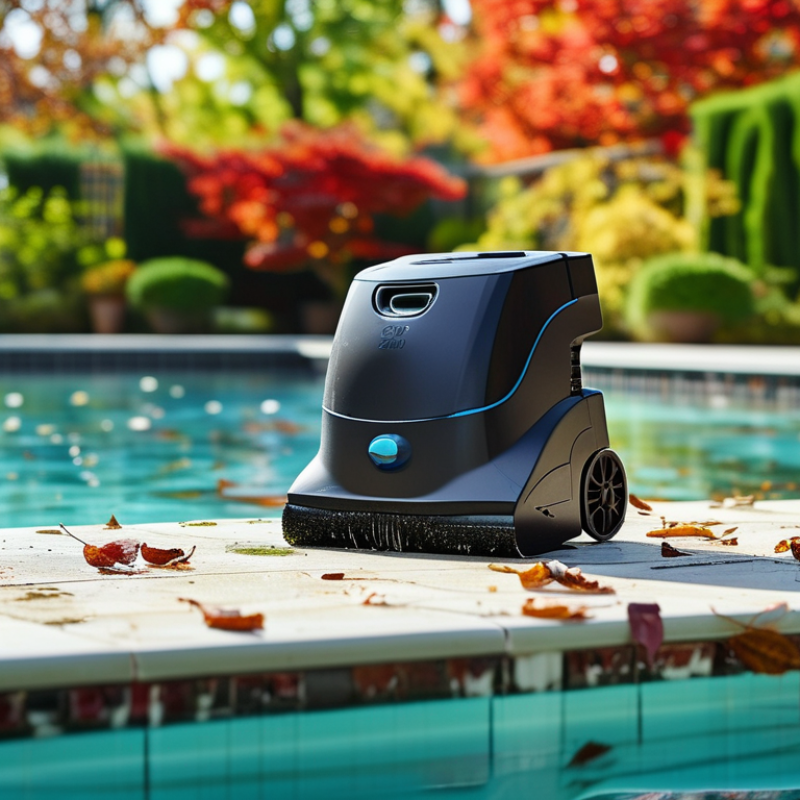
Smart robotic cleaners are becoming practical tools for regular pool care. They move independently across floors, walls, and selected waterline areas. Their sensors detect corners, steps, drains, and changes in surface texture. This reduces missed patches, although navigation is not always perfect. Some units may pause near dark tiles or unusual shapes.

A strong cleaner needs more than impressive movement. Look for a washable filter basket, steady traction, and a battery that covers the entire pool. Fine filtration helps capture sand, pollen, and small leaves before they settle. A clear filter compartment makes maintenance easier. Remote scheduling can support Pool Cleaning Maintenances during busy weeks. Still, automatic cleaning does not replace checking water chemistry or emptying the basket.

Safety features also deserve close attention. A reliable design should stop when lifted from the water and include protected charging equipment. Models with adjustable cleaning cycles can suit shallow, deep, or heavily used pools. I would test the cleaner on steps and tight corners before trusting its full schedule. That small test matters. Even advanced systems can leave debris behind after storms, heavy rain, or nearby construction. Regular inspection remains necessary, especially when the pool has textured surfaces or fragile fittings.

Water Testing Tools for Balanced and Healthy Pools

What Are the 2026 Top Pool Cleaning Tools?

Water testing tools should lead every pool-care routine. A clean-looking surface can still hide unsafe chemistry. The CDC recommends maintaining pH between 7.0 and 7.8, with at least 1 ppm free chlorine in typical pools. Its Healthy Swimming guidance also notes that chlorine works less effectively when pH rises. That makes a dependable test kit more important than guesswork.

Use digital meters for quick pH checks, then confirm results with a liquid DPD test kit. Test strips are convenient, but humidity and poor storage can distort their color blocks. The 2023 Model Aquatic Health Code recommends frequent testing during operating hours, especially when swimmer loads change. I keep a log of pH, free chlorine, alkalinity, and water temperature. Small errors matter. I still miss a reading sometimes, particularly after heavy rain.

Balanced water also protects equipment and improves cleaning results. Total alkalinity helps reduce sudden pH movement, while calcium hardness supports surface protection. The Pool & Hot Tub Alliance standards identify these factors as core water-balance measurements. A Swimming Pool Cleaning Brush removes visible film from steps, walls, and tile lines, but it cannot correct chemistry. Test before brushing, and test again after storms, parties, or unusual water loss. A simple routine is not flawless, yet recorded measurements make mistakes easier to find.

Safety, Storage, and Maintenance of Pool Cleaning Equipment

A reliable pool-cleaning setup begins with simple tools: a skimmer, telescopic pole, wall brush, vacuum head, and water-testing kit.

A cordless cleaner can reduce manual work, but it still needs inspection. The U.S. Consumer Product Safety Commission’s 2024 report estimated about 6,300 emergency-department-treated, nonfatal pool or spa drowning injuries among children under 15 each year. Equipment control matters.

Never leave poles or vacuum hoses across a wet walkway. Someone can trip before noticing the hazard. Disconnect powered equipment before removing debris or checking moving parts.

Rinse brushes and vacuum heads after use, then hang them where air can circulate. Damp storage encourages odors, corrosion, and brittle fittings.

Keep testing chemicals sealed, labeled, and away from direct sunlight. Do not store them beside electrical tools.

The Pool & Hot Tub Alliance reports more than 10 million residential pools in the United States, making routine equipment care a widespread maintenance issue.

Check cords for cuts, baskets for cracks, and brushes for flattened bristles. Replace damaged parts instead of improvising repairs. That shortcut often creates a second problem.

I still find neglected filter lids and tangled hoses during basic inspections.

A written weekly checklist helps, although it will not replace judgment. Water balance, equipment condition, and safe storage should be reviewed together.

Aquajack 311 Cordless Pool Vacuum Cleaner: A Practical Guide to Effortless Pool Cleaning

**Aquajack 311 Cordless Pool Vacuum Cleaner: A Practical Guide to Effortless Pool Cleaning**

Keeping a pool clean involves more than removing leaves from the surface. Fine sand, silt, and settled debris can accumulate along walls and floors, reducing water clarity and placing additional demand on filtration equipment. The CDC’s 2023 *Model Aquatic Health Code* emphasizes regular debris removal, effective circulation, and consistent maintenance as essential parts of aquatic-facility operation. A practical handheld vacuum can support these routines between full filtration cycles.

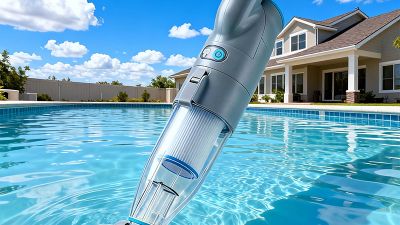
This cordless rechargeable cleaner is designed for convenient spot cleaning in both above-ground and in-ground pools. Its self-adjusting gear technology helps maintain stable performance as the vacuum encounters different debris loads, while water flow of up to 31.7 GPM provides strong suction for everyday maintenance. The compact handheld format is useful for steps, corners, shallow areas, and locations where a larger vacuum may be difficult to maneuver.

A 3-liter waste-storage chamber allows users to collect a substantial amount of debris before emptying it, helping reduce interruptions during cleaning. Because it operates without a power cord, the unit offers greater flexibility around the pool deck and eliminates the need to manage cables near water. Used alongside proper chemical testing, filtration, and routine brushing, it can make regular pool care more efficient and less physically demanding.

FAQS

: What can a smart robotic pool cleaner do?

: It can move across pool floors, walls, and some waterline areas. Sensors detect corners, steps, drains, and surface changes. Coverage is useful, but not perfect. Some areas may remain dirty.

What features should a robotic cleaner include?

Look for steady traction, washable filters, and a battery covering the whole pool. Fine filtration can collect sand, pollen, and small leaves. A clear filter compartment makes cleaning easier. More features do not always mean better results.

Can automatic scheduling replace regular pool maintenance?

No. Scheduling reduces routine work during busy weeks. You still need to test water chemistry and empty the filter basket. Inspect the pool after storms or heavy rain. Automation is helpful, not complete.

How should a cleaner handle steps and tight corners?

Test it on steps, drains, and narrow corners before using a full schedule. Some cleaners may pause near dark tiles or unusual shapes. Textured surfaces can also reduce traction. Test it first.

What safety features matter most?

The cleaner should stop when lifted from the water. Charging equipment should remain protected and dry. Disconnect powered equipment before checking moving parts or removing debris. Never place hoses across wet walkways.

Which basic tools support robotic pool cleaning?

Keep a skimmer, telescopic pole, wall brush, vacuum head, and water-testing kit nearby. These tools handle spots the robot misses. They also help during unusual debris buildup. Robots are not magic.

How should pool-cleaning equipment be stored?

Rinse brushes and vacuum heads after use. Hang them where air can circulate. Dry storage helps prevent odors, corrosion, and brittle fittings. Store testing chemicals sealed, labeled, and away from sunlight. Keep them away from electrical tools.

What parts should be inspected regularly?

Check cords for cuts, baskets for cracks, and brushes for flattened bristles. Inspect filter lids and tangled hoses during weekly checks. Replace damaged parts instead of improvising repairs. A checklist helps, but judgment still matters.

Conclusion

The top Pool Cleaning Tools of 2026 combine effective cleaning performance, user-friendly design, durability, and smart features. Choosing the right equipment starts with considering the pool’s size, shape, water depth, and surface material, since concrete, tile, vinyl, and fiberglass may require different brushes, nets, vacuums, and cleaning methods. Essential manual tools remain valuable for everyday tasks such as removing leaves, brushing walls, clearing debris, and reaching difficult areas.

Modern robotic cleaners can reduce routine effort by using programmed navigation, efficient filtration, obstacle detection, and adaptable cleaning cycles. Water testing tools are equally important, helping pool owners monitor pH, sanitizer levels, alkalinity, and other factors needed for clear and healthy water. Finally, safe operation, proper storage, regular rinsing, battery care, and timely replacement of worn parts help extend equipment life. Together, these practices create a practical and reliable pool maintenance routine for different household needs.

Aria

Aria

Aria is a seasoned marketing professional with a deep expertise in the swimming pool and spa industry. With a keen understanding of the intricate details of pool cleaning products and accessories, Aria brings a unique perspective to the company's marketing strategies, ensuring that they resonate......
Previous 2026 Best Pool Vacuum Robot Reviews and Buying Guide?