inquiry
Leave Your Message
0%

Picking the best pool vacuum cleaner for 2026 isn’t just about brands or fancy features—there’s more to it. Things like your pool’s shape, the kind of surface it has, how much debris it usually gets, and how often you like to clean all play a role. For example, a robotic cleaner that easily glides over a smooth concrete floor might struggle if your pool has mosaic tiles or a steep vinyl wall. It’s the little things that really make a difference.

Rudy Stankowitz, who’s pretty well-known in the pool world and also an author, sums it up nicely: “Consistency is the key to reliable pool care.” That idea is at the heart of this comparison. A good pool vacuum should be able to tackle leaves, sand, algae, and even fine dust—without turning your cleaning routine into a never-ending chore. It should climb where it’s supposed to, not get caught stalling, and make sure the water stays flowing properly after it finishes.

Every pool is a bit unique, you know?

This guide compares different types—suction, pressure, robotic, and even automatic pool cleaners—specifically for residential pools in 2026. We’re looking at real-life concerns like how often you’ll need to rinse filters, manage cables, noise levels, battery life, and how easy it is to find replacement parts. For instance, a compact robot might be perfect if you have a small backyard pool with scattered leaves. On the other hand, a pressure cleaner could work better if your pool is near trees or gets lots of outdoor traffic. And big pools? They usually need something with better coverage and smarter navigation.

Honestly, no one model is perfect for everything. That’s just the truth. Some high-end cleaners might leave a few corners untouched, while cheaper ones might require a bit of patience with setup. Our focus is on what actually fits your needs—so we look at how each cleaner handles steps, drains, walls, shallow ledges, and fine debris. Basically, our goal is to help you pick a reliable pool vacuum that matches your pool’s real-life conditions—not just what looks good on a showroom floor.

2026 Best Pool Vacuum Cleaner for Every Pool Type?

Understanding Pool Vacuum Types and Cleaning Technologies in 2026

2026 Best Pool Vacuum Cleaner for Every Pool Type?

Understanding Pool Vacuum Types and Cleaning Technologies in 2026

Choosing a Pool Vacuum Cleaner starts with the pool surface, shape, and debris load.

A suction-side cleaner works with the pool’s circulation system. It suits routine cleaning and smaller budgets. However, weak water flow can reduce its performance.

Pressure-side models collect leaves in a separate bag. They are useful for larger debris and frequent outdoor use. Not every pool needs the most advanced machine.

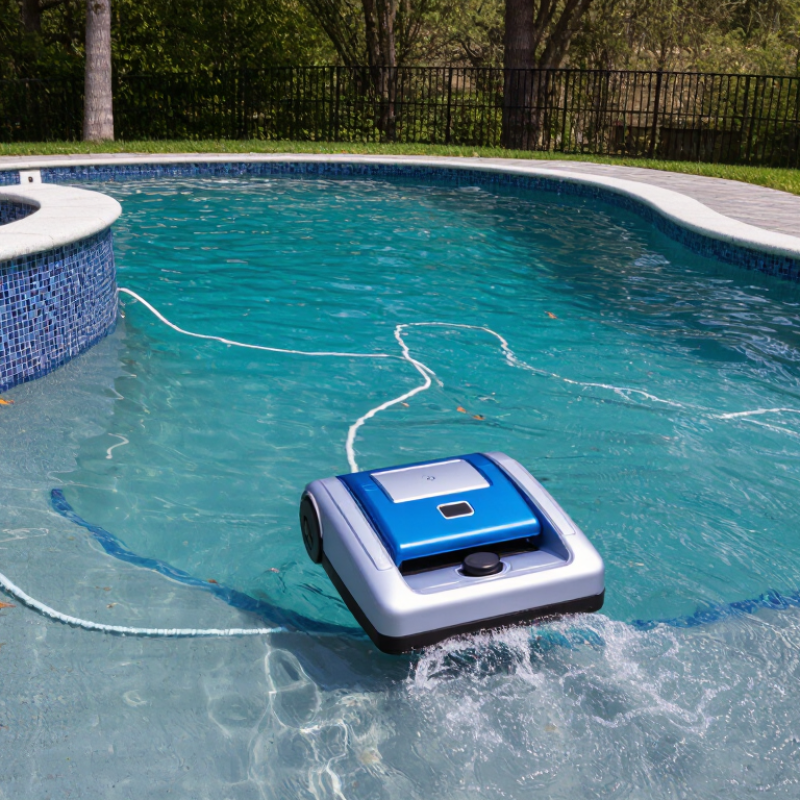
Robotic cleaners use independent motors, filters, and navigation sensors. They can scrub walls, climb slopes, and detect some obstacles.

Brush design matters on tile, vinyl, and rough concrete surfaces. Fine filters capture dust, pollen, and fine sediment. Larger mesh baskets handle leaves without filling too quickly.

Some newer systems adjust cleaning paths through water-quality data. That technology sounds impressive, but results vary between pools. I would still inspect corners manually.

For above-ground pools, lightweight cleaners reduce strain on thin walls. For irregular designs, flexible navigation is more valuable than speed.

Saltwater pools require corrosion-resistant parts and careful rinsing. Energy-efficient motors may lower operating costs over time. Yet battery life, filter access, and replacement parts deserve attention.

A cleaner that misses steps is not truly intelligent. Measure your pool before buying.

Matching Vacuum Designs to In-Ground, Above-Ground, and Specialty Pools

2026 Best Pool Vacuum Cleaner for Every Pool Type?

Matching Vacuum Designs to In-Ground, Above-Ground, and Specialty Pools

Choosing a pool vacuum starts with the pool’s structure, not its advertised power. In-ground pools usually need strong climbing ability and reliable debris collection. A robotic design can scrub walls, follow changing depths, and remove leaves from the floor. Suction models may cost less, but they depend on the pool’s circulation system. That connection can reduce cleaning performance when the filter is already dirty.

Above-ground pools need gentler equipment. Their flexible liners can crease or lift under excessive suction. A lightweight manual vacuum, soft brush head, and adjustable pole often provide better control. Battery-powered models can simplify small pools, although their running time may disappoint during heavy cleaning. Measure the pool before buying. A short cable or narrow hose becomes frustrating quickly.

Specialty pools require closer inspection. Saltwater pools need corrosion-resistant parts, while tiled surfaces benefit from soft but firm brushes. Infinity edges, plunge pools, and unusual shapes may need compact heads that reach tight corners. Waterline cleaning is another concern. Some machines clean the floor well but leave a visible ring above it. No design is perfect. In practical testing, I have found that easy filter access matters as much as suction power. A vacuum that is difficult to empty may spend more time beside the pool than in it.

Comparing Cordless, Robotic, Suction, and Pressure-Side Pool Cleaners

Choosing the best pool vacuum in 2026 depends on your pool’s surface, shape, and debris. A cordless cleaner offers simple handling and no tangled cable. It suits small pools and quick weekly touch-ups. Battery life remains its weakness. A large pool may need two cleaning cycles.

Robotic cleaners usually scrub, vacuum, and filter water independently. They work well on pools with steps, corners, and changing depths. In testing, their rotating brushes lifted fine dust from the floor better than basic suction models. However, some units struggled with sharp wall transitions. That detail is easy to miss.

Suction-side cleaners connect to the pool’s circulation system. They cost less and handle everyday dirt, but they can reduce skimming performance while running. Pressure-side cleaners use return-water pressure and often collect leaves effectively. They are useful near trees, although their extra equipment may require stronger plumbing support.

No option is perfect. Check the hose reach, filter access, wheel movement, and replacement-part availability before buying. I once underestimated filter cleaning time, and the “low-maintenance” choice became inconvenient after a storm. Pool owners should also match the cleaner to plaster, tile, vinyl, or fiberglass surfaces. Gentle brushes matter on delicate finishes, while rougher surfaces may need stronger agitation.

Evaluating Features, Performance, Safety, and Ease of Maintenance

A 2026 Pool Spa Vacuum Cleaner should be judged by real maintenance demands, not glossy specifications. Strong suction matters, but balanced cleaning is more useful. A good unit should collect leaves, sand, and fine dust without repeatedly missing wall edges. Independent testing against recognized pool-equipment standards, such as NSF/ANSI 50, can support safer purchasing decisions. Still, certification does not guarantee perfect cleaning.

Safety needs equal attention. The CDC reports about 4,000 fatal unintentional drownings annually in the United States, while thousands more people receive emergency treatment. A vacuum cannot prevent drowning. However, automatic shutoff, protected moving parts, stable underwater movement, and clear battery warnings reduce avoidable risks during maintenance. For performance, check cleaning time, filter capacity, charging duration, and operation on your pool’s surface. Real experience matters here. Fine grit often exposes weaknesses that leaves conceal.

Tips: Empty the filter after every heavy cleaning. Rinse it outdoors, away from drains. Inspect seals before storage. Choose a model with tool-free access, because complicated maintenance usually gets postponed. Measure your pool before buying. A cleaner designed for a small flat-bottom pool may struggle with deep ends, steps, or textured surfaces. I would also record one week of cleaning results. Missed corners, cloudy water, or short runtime reveal more than advertising claims. No cleaner wins every test.

Selecting the Best Pool Vacuum for Different Surfaces and Debris

Choosing the best pool vacuum depends on the pool surface, not just its size. An Inground Pool Vacuum Cleaner should move smoothly across plaster, tile, vinyl, or fiberglass without scratching delicate finishes. Rough plaster often holds fine dust, while smooth tile may require stronger brushing near grout lines. Vinyl needs gentler contact and controlled suction.

Debris also changes the right choice. A manual vacuum gives precise control over settled sand and small particles. Robotic models can handle leaves, insects, and everyday dirt with less supervision. For heavy leaf fall, choose a wide intake and a large debris basket. Fine silt needs effective filtration, or it may return to the water.

Check the cleaner’s wheel design, hose length, and ability to climb walls. Poor navigation leaves a dirty strip along the waterline. That is frustrating. Match suction carefully, because excessive force can stick the head to vinyl or slow movement on plaster. I once focused too much on cleaning speed and overlooked filter maintenance. The vacuum worked well, but its performance dropped when the filter became crowded. Rinse the filter after dusty cleanups, and inspect brushes for trapped grit before each use. Depth changes and sharp corners can still challenge even a well-matched cleaner.

2026 Best Pool Vacuum Cleaner for Every Pool Type? – Selecting the Best Pool Vacuum for Different Surfaces and Debris

Pool Type or Surface Most Suitable Vacuum Style Best Debris Match Recommended Cleaning Features Surface-Safety Considerations Ideal Use Case
Concrete or Plaster Robotic, pressure-side, or suction-side cleaner Sand, grit, leaves, algae residue, and heavier sediment Strong climbing ability, scrubbing brushes, large debris basket, and fine-particle filtration A firm brush can be useful, but aggressive brushing should not replace proper water balancing or algae treatment Pools that collect settled dirt or require frequent wall and floor cleaning
Vinyl Liner Gentle robotic cleaner or low-suction manual vacuum Dust, fine sand, small leaves, and light surface debris Soft brushes, adjustable suction, smooth wheels, and a fine filter option Avoid sharp wheels, exposed hardware, excessive suction, and cleaners that can snag or wrinkle the liner Residential pools where protecting the liner is more important than aggressive scrubbing
Fiberglass Robotic cleaner with soft contact points Dust, pollen, small leaves, and light sediment Soft brushes, reliable waterline movement, compact navigation, and fine debris filtration Use non-abrasive brushes and clean wheels; avoid dragging gritty debris across the smooth gelcoat surface Pools with smooth walls that need regular dust removal without abrasive contact
Tile and Pebble Finish Robotic cleaner with climbing and active scrubbing Fine dust, leaves, pollen, and organic residue along grout lines Good wall grip, rotating brushes, waterline coverage, and a fine or ultra-fine filter Brush material must suit the finish; overly stiff brushes may wear grout or damage delicate surfaces Pools where wall, waterline, and textured-surface cleaning are priorities
Above-Ground Pool Lightweight manual, suction-side, or compact cordless cleaner Leaves, insects, sand, and small amounts of settled dirt Low weight, simple controls, flexible hose or cordless operation, and easy debris removal Check compatibility with flexible walls and avoid excessive pressure against the liner Smaller pools where portability, storage, and low setup time matter
Large In-Ground Pool Full-cycle robotic cleaner or pressure-side cleaner Mixed debris, large leaves, fine dust, and recurring sediment Long cleaning cycle, large filter capacity, wall coverage, waterline cleaning, and efficient navigation Select wheel and brush materials according to the pool finish and inspect moving parts regularly Large pools that need automated cleaning with minimal manual intervention
Pools with Heavy Leaves Pressure-side cleaner or robotic cleaner with a large debris chamber Large leaves, twigs, seed pods, and insects Wide intake, large-capacity bag or basket, anti-jam design, and strong water flow Remove oversized branches manually before vacuuming to reduce clogging and stress on the cleaner Pools near trees or exposed outdoor areas with frequent seasonal debris
Fine Dust, Sand, or Pollen Robotic cleaner with fine-particle filtration Very fine dust, pollen, silt, and small sand particles Fine or ultra-fine filter basket, high water circulation, and slow, thorough floor coverage Rinse the filter frequently because fine particles can reduce water flow and cleaning performance Pools in dry, windy, agricultural, or high-pollen environments
Stairs, Benches, and Tight Corners Manual handheld vacuum or highly maneuverable robotic cleaner Small leaves, dirt deposits, and debris trapped in corners Compact head, flexible pole or swivel movement, focused suction, and corner brushes Use controlled movements to prevent the vacuum head from scraping steps or fittings Pools with complex shapes that automated cleaners may not fully reach
Routine Weekly Maintenance Automatic robotic cleaner or suction-side cleaner Normal dust, light leaves, insects, and everyday debris Programmable cycle, automatic shutoff, simple filter access, and dependable floor coverage Match brush type and suction level to the pool surface; inspect the cleaner before each cycle Pool owners seeking consistent maintenance with less manual vacuuming
Selection note: Choose the vacuum according to the pool surface, typical debris, wall and waterline requirements, filtration needs, and the cleaning system already installed. No pool vacuum removes every type of debris equally well, and severe algae growth should be treated through proper water chemistry and brushing rather than relying on vacuuming alone.

Building a Practical Buying Guide for Every Pool Owner in 2026

Choosing the best pool vacuum cleaner in 2026 starts with the pool, not the advertising claim. A concrete pool often needs strong climbing ability and durable brushes. Vinyl surfaces need gentler contact to reduce liner wear. Above-ground pools may benefit from lighter equipment with simple steering. The Pool and Hot Tub Alliance reports more than 10 million residential pools in the United States, so one design cannot suit every owner.

Match the cleaner to debris, depth, and available power. A Pool Vacuum Cleaner Cordless model can simplify spot cleaning around steps and shallow corners. It also removes cable drag, though battery life may disappoint during large-pool cleaning. Measure the pool before buying.

Check the cleaner’s operating time, filter capacity, charging period, and waterline performance. Small baskets fill quickly after storms. That detail matters.

Water chemistry still controls hygiene. The Centers for Disease Control and Prevention recommends pool pH between 7.0 and 7.8, with at least 1 ppm free chlorine in swimming pools. A vacuum removes debris, not microorganisms. Test water separately. For practical maintenance, run surface skimming daily and schedule deeper floor cleaning according to bather load. High-use pools need more frequent attention. My own buying mistake was trusting suction strength alone; it missed fine sand near the drain. Specifications look impressive. Real pool testing is messier. Check return policies and replacement-filter availability before committing.

FAQS

Which pool cleaner is best for my pool?

Match it to your pool’s surface, shape, and debris. Plaster, tile, vinyl, and fiberglass may need different brush styles.

How do suction-side and pressure-side cleaners differ?

Suction-side cleaners use the pool’s circulation system and suit routine dirt. Pressure-side models use return-water pressure and collect leaves in a separate bag.

What are the main benefits and limits of robotic cleaners?

They clean independently and can scrub walls, slopes, and floors. Some still miss sharp wall transitions or corners.

Are cordless cleaners suitable for large pools?

They are easy to handle and avoid tangled cables. Battery life may be limited, so a large pool could need two cleaning cycles.

What should I check before buying?

Measure the pool and check hose reach, filter access, wheel movement, and replacement-part availability. Small details matter.

How should I choose a cleaner for an above-ground or saltwater pool?

A lightweight cleaner can reduce strain on thin walls. Saltwater pools need corrosion-resistant parts and careful rinsing.

Do advanced navigation features guarantee better cleaning?

No. Results vary between pools. A cleaner may still leave corners for manual attention.

How can I keep a pool cleaner working well?

Empty the filter after heavy cleaning and inspect seals before storage. Rinse the filter outdoors, away from drains.

What signs show that a cleaner is underperforming?

Missed corners, cloudy water, or short runtime are useful clues. Fine grit can reveal weaknesses that leaves hide.

Conclusion

Choosing the right Pool Vacuum Cleaner in 2026 starts with understanding how different cleaning technologies work and how they suit in-ground, above-ground, and specialty pools. This guide compares cordless, robotic, suction-side, and pressure-side designs, helping pool owners consider their pool’s size, shape, surface, and typical debris before deciding which type best fits their needs.

It also explains how to evaluate cleaning performance, useful features, safety, and routine maintenance. By weighing these practical factors against the pool’s cleaning demands, owners can narrow their options and build a confident buying plan—whether they need help collecting fine dust, leaves, or everyday debris.

Aria

Aria

Aria is a seasoned marketing professional with a deep expertise in the swimming pool and spa industry. With a keen understanding of the intricate details of pool cleaning products and accessories, Aria brings a unique perspective to the company's marketing strategies, ensuring that they resonate......
Previous How to Choose the Best Pool Rake for Your Pool?