+86-574-5680 8878


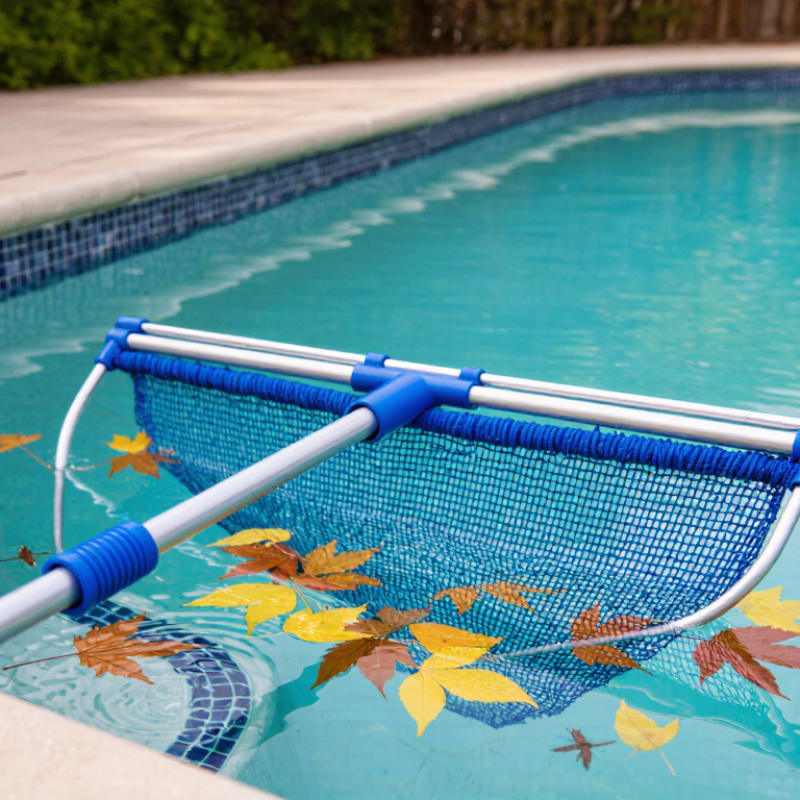
Picking out the right Pool Rake isn't just a small detail — it actually makes a pretty big difference. It impacts how clear your water looks, how easy it is to clean the surface, and how much time you spend on maintenance every week.
Did you know that, according to the CDC, one in eight public pool inspections turn up serious health violations that need the pool to close right away? Now, that doesn’t mean a Pool Rake by itself is a sanitation miracle, but it definitely highlights why you shouldn’t ignore visible debris. Leaves, bugs, tiny particles—they all tend to gather near the steps, skimmers, and corners. Having a good, reliable rake can make all the difference by helping you scoop that stuff out before it gets pushed further into the pool by circulation systems.
The Pool & Hot Tub Alliance also emphasizes that routine cleaning is a key part of keeping a pool safe and responsible to use. For us homeowners, choosing the right tool depends on a few details. Think about the net depth, mesh size, how sturdy the frame is, whether the handle fits well, and the surface design of your pool. For example, a deep bag is great for snagging heavy leaves, while a fine-mesh net works better for tiny debris. An ultra-light frame might feel nice to hold, but it could bend easily if it gets too wet or heavy. Honestly, there’s no perfect answer – it’s about finding what works best for you.
Rudy Stankowitz, a veteran in the pool maintenance world, sums it up nicely: “The best pool tool is the one you’ll actually use consistently.” It's worth thinking about that. Even a top-of-the-line Pool Rake can fall flat if its handle feels awkward or if the net gets clogged after just one pass. So, start by measuring your pool. Check how the pole connects. Try out the rake with some wet leaves to see how it feels. Then, compare the materials, warranty details, and what other users are saying. Reviews can tell you a lot, but remember, your pool’s layout and your personal needs are what really matter when it’s time to choose.
Happy cleaning!
How to Choose the Best Pool Rake for Your Pool?
Your cleaning goal should guide every Pool Leaf Rake decision. A small backyard pool may only need light daily skimming. Large pools, trees, or frequent storms require a wider head and deeper mesh. Measure the pool before choosing. A rake that is too narrow can turn a simple task into tiring, repeated passes. That matters.
Identify the debris around your pool. Fine dust needs a tight mesh, while large leaves need a stronger, deeper bag. If pine needles collect near the steps, choose a design that turns easily in narrow spaces. For a deep pool, check whether the handle reaches the bottom without forcing your shoulders forward. Poor posture can make a five-minute job painful.
I once chose a rake by appearance alone. It looked sturdy, but its shallow bag filled quickly with wet leaves. My estimate was wrong. Now, I check the frame connection, mesh stitching, and handle fit before purchase. The rake should glide across the surface without dragging against the liner. Use gentle strokes near corners and stairs. Empty the bag before it becomes heavy. Rinse the mesh after each use, because trapped leaves can stain and weaken it. Store the rake away from direct sunlight. A practical cleaning routine may matter more than an expensive feature.
| Pool Raking Need | Typical Debris | Recommended Net Design | Useful Dimensions | Cleaning Goal |
|---|---|---|---|---|
| Light daily maintenance | Leaves, grass clippings, insects, and small surface debris | Flat or slightly bagged leaf net with lightweight construction | Net width: 14–18 in Handle length: 4–8 ft |
Remove floating debris quickly without adding unnecessary weight |
| Heavy leaf season | Large quantities of wet leaves, twigs, seed pods, and flower petals | Deep bag net with reinforced frame and a strong pole connection | Net width: 16–20 in Net depth: 8–12 in Handle length: 6–12 ft |
Collect more debris per pass while reducing repeated trips to the waste container |
| Fine-particle removal | Pollen, small insects, fine dust, and tiny organic particles | Fine-mesh skimmer net with tightly woven fabric | Net width: 14–18 in Shallow-to-medium net depth |
Capture small particles that may pass through a standard leaf net |
| Debris on the pool floor | Settled leaves, sand, twigs, and heavier organic debris | Deep, flexible bag net designed for controlled bottom sweeping | Net depth: 8–12 in Telescopic handle: 6–16 ft |
Lift settled debris carefully without scraping or damaging the pool surface |
| Large residential pool | Mixed surface and bottom debris across a wide cleaning area | Wide bag net with a durable frame and compatible telescopic pole | Net width: 18–20 in Handle length: 8–16 ft |
Cover more water per stroke and reach the center of a large pool |
| Small or above-ground pool | Light leaves, insects, and occasional surface debris | Compact shallow net with a lightweight, easy-to-control pole | Net width: 10–16 in Handle length: 3–8 ft |
Improve maneuverability and avoid putting excess pressure on the pool wall |
| Deep or hard-to-reach pool | Debris at the center, deep end, or along distant pool walls | Lightweight net paired with a telescopic pole and secure locking mechanism | Adjustable handle length: 8–16 ft Low overall tool weight preferred |
Reach difficult areas while maintaining control and reducing arm fatigue |
| Frequent or commercial-style cleaning | Repeated mixed debris, including wet leaves and fine particles | Reinforced frame, abrasion-resistant mesh, corrosion-resistant fittings, and replaceable parts | Net width: 16–20 in Choose a pole length suited to pool depth and reach |
Prioritize service life, comfortable handling, easy rinsing, and reliable attachment points |
Choosing a pool rake starts with the debris your pool collects most often. I compare the basket depth, mesh size, frame shape, and handle strength. After windy weather, large leaf rakes remove branches and leaves faster. Their deep bags usually hold about 10 to 20 liters of debris. That means fewer trips to the waste bin.
A flat skimmer has a shallower collection area, often holding 2 to 5 liters. It works well for insects, small leaves, and daily surface cleaning. Fine-mesh rakes catch pollen, sand, and tiny particles that wider mesh may miss. However, fine mesh can clog quickly and feel heavier in the water. It is useful, but not always efficient.
Your pool size also changes the practical choice. A deep bag suits large pools near trees. A flat rake may feel easier for compact pools and frequent light cleaning. Check the collection capacity, because advertised sizes can be measured differently. I once chose a fine mesh rake for heavy leaves, and emptying it became frustrating. A larger bag would have saved time, though it required more effort when full. Strong, smooth edges also matter, since rough frames can scratch pool surfaces or snag liners.
The right net mesh depends on what your pool actually collects. A wide-mesh leaf rake moves quickly through water and handles oak leaves, twigs, and large insects. It feels lighter during long cleaning sessions. A fine-mesh net catches pollen, small seeds, sand, and cloudy surface dust. However, it fills faster and creates more drag. My early mistake was choosing the finest mesh for every season. It caught more debris, but cleaning became slower and frustrating.
Look for the stated mesh opening, not vague words like “professional” or “ultra-fine.” Large debris usually needs wider openings, while spring pollen needs tighter fabric.
A practical approach is keeping two nets nearby. Use the leaf net after storms, then switch to the fine net for daily surface cleaning. The CDC’s 2023 Model Aquatic Health Code emphasizes routine debris removal and proper circulation as parts of healthy aquatic maintenance. A pool rake cannot replace filtration.
Scale matters, too. The Pool & Hot Tub Alliance estimated about 10.4 million residential pools in the United States in its 2024 industry data. That large pool base reflects varied climates and debris loads, so one mesh choice cannot suit every backyard.
Check the frame depth and pole connection as carefully as the mesh. A fine net with a weak frame may bend under wet leaves. Not perfect, but useful: test the net during your messiest week before buying another.
Choosing a pool rake starts with the handle, not the net. In my experience, a handle that reaches the pool’s center reduces stretching and keeps your feet stable. For small pools, a 1.2 to 1.8 meter handle usually offers easy control. Larger pools may need extra reach, but excessive length can feel awkward near steps and corners. Test the balance before buying. A long pole is not always better.
Strength matters when wet leaves, insects, and settled debris collect in the net. Look for a rigid shaft with secure connections and a frame that does not twist under pressure. Aluminum or reinforced composite construction can provide useful stiffness without making the rake exhausting to lift. Check the joint carefully. A loose connection wastes effort and may scratch the pool wall. Avoid judging strength by weight alone; a heavy rake can fatigue your shoulders during routine cleaning.
Maneuverability depends on the net shape, handle grip, and water resistance. A slightly curved edge can follow walls and reach tight corners more smoothly than a broad, rigid frame. Move the rake slowly through the water, keeping the net just below the surface. Fast strokes often push debris away. I sometimes choose a shorter handle for daily skimming, even when a longer one reaches farther. That is not a perfect rule, because pool depth and user height change the experience. Inspect screws, joints, and mesh regularly, especially after rough use.
Choosing the best pool rake starts with its frame, not its color. A deep, slightly curved frame captures leaves without scraping the pool wall. Reinforced corners also matter, especially when wet debris becomes surprisingly heavy. Look for a smooth frame edge that will not catch liners or damage tile grout. A narrow frame reaches steps and corners more accurately. Wider frames remove surface debris faster, but they can feel awkward in tight spaces.
Material decides how the rake behaves after repeated use. Anodized aluminum offers useful stiffness and resists ordinary pool moisture. Coated steel may feel strong, yet exposed scratches can invite corrosion. Nylon mesh is gentler than coarse plastic and usually releases water faster. Check the handle joint carefully. Loose rivets often fail before the net does. Very light tools can be convenient. They may also flex under a full load.
The CDC reports more than 4,000 fatal unintentional drownings annually in the United States, making clear water and visible surfaces important maintenance concerns. A rake supports that work, even with a Pool Automatic Pool Cleaner handling routine debris. Industry guidance from the PHTA and ANSI/APSP standards also emphasizes regular cleaning and proper equipment maintenance. Still, standards do not guarantee every rake’s lifespan. I would test the frame in-store, inspect the stitching, and accept that “heavy-duty” is sometimes only a label.
Check frame design, materials, and overall durability before buying.
The chart uses a 0–100 comparative engineering index, where higher values indicate better performance. Reinforced aluminum frames offer a strong balance of stiffness, low weight, corrosion resistance, and serviceability. Stainless steel provides excellent stiffness and corrosion resistance but is heavier, while molded polymer is lightweight and naturally corrosion-resistant but generally less rigid and harder to repair.
Pool shape and surface should guide your rake choice. The Pool & Hot Tub Alliance’s 2023 industry statistics estimate 10.4 million residential pools in the United States. That variety includes narrow lap pools, curved designs, and large pools with attached spas. A wide, deep-bag rake works well for rectangular pools with heavy leaf fall. It covers more water with fewer passes. For kidney-shaped or compact pools, choose a smaller frame with a curved edge. It can reach tight corners without scraping the coping.
Surface material matters just as much. Concrete and plaster can tolerate a firm, fine-mesh net, but rough finishes may catch loose threads. Vinyl liners need softer edges and gentle pressure. Fiberglass also benefits from a smooth frame that will not drag across the finish. Industry maintenance guidance from the PHTA and ANSI/APSP emphasizes regular debris removal before circulation and filtration systems become overloaded.
A rake helps remove large leaves, while a Pool Vac handles settled dirt and fine particles.
Hold the pole at a shallow angle. Pull debris toward you slowly. Do not force the net across the floor. I used to prefer the widest rake available, but that choice became awkward around steps and curves. Bigger is not always better. Check the frame weight, mesh depth, and pole connection before buying. A durable rake should feel controlled, not tiring, after several minutes of use.
Choosing the best pool rake starts with your maintenance routine, not its price. The Pool & Hot Tub Alliance reports roughly 11 million residential pools in the United States. That scale makes practical maintenance tools important. A wide, fine-mesh net suits trees and heavy seasonal debris. A deeper bag helps collect sunken leaves, insects, and small stones. Pool Leaf removal is easier when the frame glides without bending.
Consider your pool’s shape and cleaning frequency. A long telescopic handle can reach the deep end, but it needs secure locking points. Check the mesh after each use. Wet debris becomes surprisingly heavy. The CDC’s Model Aquatic Health Code stresses consistent water-quality management, and surface cleaning supports that routine. Still, a rake cannot replace circulation, filtration, or chemical testing. That distinction matters.
Storage affects long-term value. Rinse the rake with fresh water, let it dry fully, and hang it away from direct sunlight. Chlorinated moisture can weaken fabric and metal joints over time. The U.S. Department of Energy notes that proper pool maintenance supports efficient equipment operation, although it does not evaluate rakes specifically. My own mistake was storing one beside the pump. The handle stayed damp and warped. A cheaper rake may be sensible for light use, but frequent cleaning usually rewards stronger seams, replaceable parts, and a comfortable grip. Not every expensive model lasts longer.
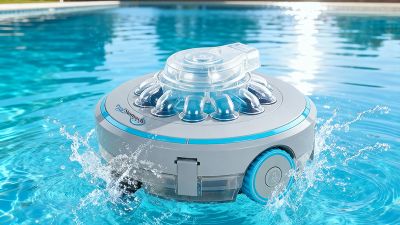
Keeping an above-ground pool clean can be simple with a cordless robotic pool cleaner designed for effortless automatic care. Built to move independently across the pool floor, this intelligent device helps collect dirt, leaves, and everyday debris without requiring manual vacuuming or tangled power cords. Its automated steering system supports smooth navigation, while flexible obstacle avoidance allows it to adjust its path when it encounters common barriers in the pool.
A full charge provides up to 60 minutes of cleaning time, making it suitable for pools covering as much as 540 square feet (50 square meters). With a powerful suction capacity of 60 liters per minute (15.8 gallons per minute), it can efficiently draw in debris and help maintain clearer water with less effort. The cordless design also makes setup and operation more convenient: place the cleaner in the pool, activate it, and let its intelligent movement handle routine cleaning while you focus on enjoying your swimming time.
Choose a deep bag for branches, heavy leaves, and large pools near trees. It usually holds 10 to 20 liters. A flat skimmer holds about 2 to 5 liters and suits insects or daily surface cleaning.
Wide mesh removes large leaves quickly and empties easily. Fine mesh catches pollen, sand, and tiny particles. However, fine mesh clogs faster and feels heavier underwater.
Yes. Large pools benefit from deeper bags and wider frames. Compact pools often feel easier with smaller rakes. I once chose too wide a frame, and tight corners became annoying.
A slightly curved frame gathers leaves without scraping the wall. Narrow frames reach steps and corners accurately. Wider frames clean faster, but they can feel awkward around curves.
Anodized aluminum offers stiffness and resists ordinary pool moisture. Nylon mesh feels gentler and releases water quickly. Coated steel may weaken after scratches expose the surface.
Use smooth edges on vinyl liners and fiberglass surfaces. Concrete and plaster can handle firmer mesh, but rough finishes may catch threads. Pull gently instead of dragging forcefully.
Check the stitching, frame corners, pole joint, and rivets. Loose joints may fail before the net. “Heavy-duty” is not always meaningful. Test the tool if possible.
Hold the pole at a shallow angle. Pull debris slowly toward yourself. Avoid forcing the net across the floor. Smaller frames usually offer better control in tight spaces.
Not necessarily. A larger bag reduces emptying trips but becomes tiring when full. A smaller bag feels lighter during frequent cleaning. The better choice depends on debris volume and your strength.
Choosing the best Pool Rake starts with understanding your pool’s cleaning needs and the type of debris you usually remove. Consider whether you mainly collect large leaves, small particles, or a mixture of both, then compare rake styles and collection capacities accordingly. A deeper bag can reduce emptying, while a finer mesh helps capture smaller debris. The handle should provide enough length to reach distant areas, along with strength and balance for comfortable maneuvering.
Pay attention to the frame’s construction, connection points, and overall durability, especially if the rake will be used frequently. Match its size and shape to your pool’s design, steps, corners, and surface to avoid unnecessary effort or scratching. Finally, consider how easy it is to rinse, dry, store, and maintain. A well-designed Pool Rake can improve cleaning efficiency, last longer, and deliver better long-term value when its features match your pool and routine.