+86-574-5680 8878


Outdoor living just gets a whole lot better when comfort is there to follow you outside. Imagine having a Garden Shower—it’s perfect for rinsing off sandy feet, cooling warm skin, or just refreshing yourself after a session in the garden or pruning roses. It’s a practical water source right outside, so you won’t carry mud or mess through the house. Honestly, it’s the simple things that make a big difference, and that straightforwardness really counts.
Picking the right Garden Shower isn’t just about pretty pictures. You need to look for weather-resistant fixtures, make sure it sits on stable ground, has good drainage, and features comfy water controls. If you’re unsure, a professional installer can check out plumbing routes, water pressure, surface levels, and local codes. These little details are super important for safety and long-term durability — often, they’re easy to overlook.
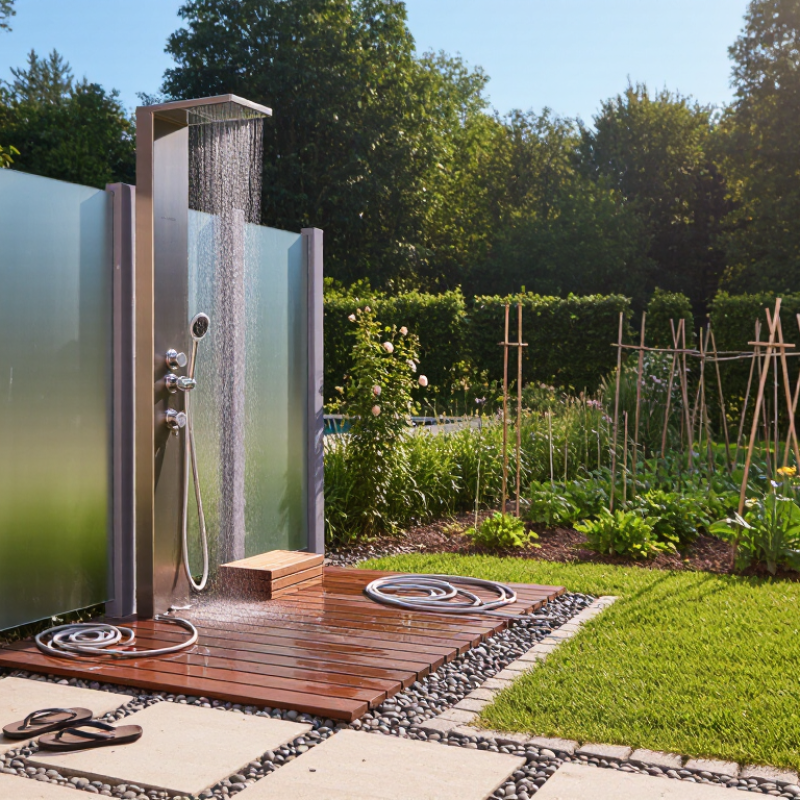
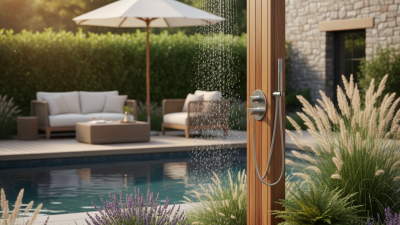
Where you put the shower totally affects how you’ll use it daily. For example, if it’s near the pool, you’ll want slip-resistant paving and maybe some privacy screening. If it’s beside your veggie garden, just be mindful to keep splashing away from your delicate plants. I’ve found that small touches—like using a hose that feels warm in your hand or adding a wooden step—really boost usability. Just a heads up, outdoor water setups need a little TLC: leaves can clog things, connections might loosen, and winter cold can cause issues if you’re not careful.
Being honest about these things is pretty helpful.
Ultimately, your Garden Shower should match your routines, local climate, budget, and space. When designed thoughtfully, it can turn your outdoor space into a cleaner, more relaxed place to hang out. The best setup isn’t necessarily the fanciest or the most expensive—it’s the one that’s reliable, drains well, and feels natural to use. Even a simple installation can totally change a patio, garden, or poolside area, making your outdoor space feel just a little more finished and inviting.
A garden shower is an outdoor water fixture designed for rinsing, cooling, and everyday convenience. It may stand beside a pool, patio, garden path, or back entrance. Common features include a weather-resistant frame, handheld spray, temperature control, and a simple drainage area. Some models connect to existing plumbing, while others use temporary hoses. The best location depends on privacy, sunlight, water access, and safe footing.
Its uses extend beyond swimming. You can rinse soil from boots, wash muddy pets, cool down after gardening, or clean outdoor equipment.
The U.S. Environmental Protection Agency states that WaterSense showerheads use no more than 2.0 gallons per minute, compared with the federal 2.5-gallon standard. A five-minute shower could therefore use about 10 gallons instead of 12.5.
The saving is practical, but not automatic. Long showers still waste water. One overlooked issue is drainage. Without proper runoff control, a beautiful shower can create slippery paving and stagnant water. A qualified plumber should also check connections and local requirements.
Tips: Place the shower on textured, quick-drying flooring. Test water temperature before use. Choose a shutoff valve nearby. Add privacy screening, but keep airflow open. Plan for winter protection in cold climates. A simple design often works better than a complicated one.
An outdoor shower can turn a garden corner into a practical part of daily life. After gardening, rinsing muddy feet outside keeps soil away from indoor floors. It also offers a refreshing pause beside plants, stone paths, or a sunny deck. The fixture should feel convenient, not wasteful. Water efficiency matters, especially during dry weather.
EPA WaterSense-labeled showerheads use 2.0 gallons per minute or less. That flow rate can reduce water use without making every rinse feel weak. Certified models must meet performance standards for spray force and coverage. Still, outdoor water pressure can vary. A narrow pipe may produce disappointing results, even with an efficient showerhead.
Small habits make the difference. Turn the water off while applying soap or shampoo. Use a simple timer during longer showers. Collect initial cold water for nearby plants, when local conditions allow. A textured, slip-resistant surface also improves everyday safety. The trade-off is real: lower flow may require more patience. I would test the spray before installing permanent plumbing. A beautiful garden shower is not useful if the water barely reaches your shoulders.
Water use comparison for a 10-minute outdoor shower
A conventional showerhead may use up to 2.5 gallons per minute, while an EPA WaterSense-labeled showerhead uses 2.0 gallons per minute or less. Over a 10-minute shower, this difference can reduce water use from 25 gallons to 20 gallons, saving at least 5 gallons per shower.
A Garden Outdoor Shower brings practical comfort to everyday outdoor living. After a rainy walk, muddy paws can be rinsed before pets enter the house. A low handheld spray works well for nervous animals and small children. Keep the water pressure gentle. Mud happens.
It also cleans sandy feet, grass-stained shoes, helmets, and sports equipment beside the garden. I have found that a quick rinse prevents grit from spreading across floors and car interiors. A small drain area with textured, slip-resistant paving makes busy moments safer. However, wet gear still needs proper drying. Rinsing is not the same as cleaning.
Garden tools benefit from the same convenience. Soil can be washed from spades, gloves, and planting trays before storage. This helps reduce mess and lets you notice damaged handles or loose fittings earlier. Professional installation should include stable supports, suitable outdoor plumbing, and protection from freezing temperatures. Water temperature matters too. Cold water may surprise children or older pets, while overheated pipes can cause discomfort after strong sunlight. I once underestimated splashback around a narrow shower space; a wider drain zone would have made maintenance easier. Position the shower near the entry path, but not where runoff reaches walls, electrical equipment, or delicate plants.
An Outdoor Shower Garden can make a hot afternoon feel noticeably lighter. Water cools overheated skin after gardening, swimming, or walking under strong sunlight. I have found that a brief rinse often refreshes tired muscles better than sitting indoors immediately. The effect feels simple, but the setting matters. Leaves move above you, wet soil releases its earthy scent, and sunlight flickers across the shower floor. It becomes a small outdoor pause.
Good design supports comfort and safety. Place the shower where natural airflow can dry the area quickly. Choose textured, slip-resistant paving near the drain. A thermostatic control can help prevent sudden temperature changes, especially for children and older adults. Keep the water comfortably cool rather than extremely cold. Very cold water may feel refreshing, but it can cause an unpleasant shock for some people. Shade from bamboo, trees, or a simple screen can reduce glare without blocking the garden view.
Nature also changes how the shower feels emotionally. Birds, rosemary, and warm air create a sensory experience that indoor bathrooms rarely offer. However, privacy needs honest attention. I once underestimated how visible a garden corner was from an upper window. That mistake changed my layout. Check sightlines during both daylight and evening hours. Use water responsibly, too. A timed flow and suitable drainage can protect nearby plants, soil, and household resources. I still forget the timer occasionally.
Why Choose a Garden Shower for Outdoor Living?
An Outdoor Garden Shower needs more than a pleasant corner beside the patio. Plan the plumbing before choosing tiles or screens. Use temperature-rated supply pipes and install an accessible shutoff valve. A licensed plumber can confirm pressure, pipe sizing, and backflow requirements for your area. Keep hot and cold controls away from direct sun when possible. They can become surprisingly hot.
Drainage deserves equal attention. A slightly sloped, non-slip floor directs water toward a suitable drain or planted soakaway. Never let wastewater collect beside foundations, steps, or vegetable beds. Local rules may require a dedicated drainage connection. Check them early. Privacy should block views without trapping moisture. Slatted timber, masonry, or frosted panels can work well. Leave airflow above and below the screen.
Freeze protection is easy to overlook. Install a shutoff indoors or inside a protected service box. Drain exposed pipes after seasonal use. In colder regions, a plumber may add insulation or compressed-air winterization. Do not rely on a covered tap alone. I would also reconsider placing the shower under dense trees; falling leaves can clog drains and create slippery surfaces. Small maintenance access matters. Without it, a simple repair becomes an awkward excavation.
Why Choose a Garden Shower for Outdoor Living?
A garden shower makes outdoor living more comfortable after swimming, gardening, or walking barefoot on hot paving. Safety should guide every design choice. Choose a textured, slip-resistant floor that drains quickly and stays stable under wet feet. Smooth tiles may look attractive, but they can become hazardous after soap or rain. Rounded edges and a sturdy grab rail also help children and older users move confidently.
A Solar Shower can reduce reliance on conventional water heating by using sunlight to warm stored water. Dark, insulated tanks usually absorb heat efficiently, although cloudy weather can limit performance. The temperature may change quickly. Always test the water before stepping underneath. Backflow prevention is equally important. A properly installed check valve helps stop used water from returning to the clean supply. A qualified plumber should inspect the connection and follow applicable local requirements.
Tips: Keep the shower area free from leaves and algae. Rinse the floor regularly. Set a comfortable maximum temperature, especially for children. Use a low-flow showerhead to reduce waste. In my experience, even a well-designed outdoor shower needs seasonal checks. I once overlooked a loose drain cover, and the small movement made the whole area feel unsafe. That detail changed my maintenance routine.
| Performance Dimension | Recommended Design Target | Typical Data or Calculation | Outdoor-Living Benefit | Verification or Reference |
|---|---|---|---|---|
| Wet Slip Resistance | Use a textured, outdoor-rated walking surface; a wet DCOF of at least 0.42 is a useful benchmark where the applicable test method is used. | ANSI A326.3 uses a wet dynamic coefficient of friction value of 0.42 as a common level for many interior level walking surfaces. Outdoor shower areas should also be assessed for drainage, texture, contamination, and slope. | Reduces the likelihood of slips when feet, paving, or tiles are wet. | Check the flooring manufacturer’s tested wet-slip data and the applicable local building requirements. Do not treat one numerical value as a guarantee of safety in every condition. |
| Drainage and Surface Slope | Provide positive drainage toward a suitable outlet; a commonly used drainage planning range is approximately 1%–2% slope. | A 1% slope falls about 10 mm per metre; a 2% slope falls about 20 mm per metre. The exact slope depends on the surface system, drainage design, and local code. | Limits standing water, algae growth, and repeated wetting of adjacent paths. | Confirm the final slope and drainage arrangement with local plumbing, landscape, and accessibility requirements. |
| Surface Joint and Algae Control | Use non-porous or low-porosity materials where practical and keep joints clean and well maintained. | Organic debris, soap residue, and persistent moisture can reduce traction even when a surface has good laboratory slip-resistance results. | Helps preserve traction and reduces maintenance caused by staining, moss, and algae. | Inspect after heavy use, remove debris, and follow the cleaning instructions for the selected paving or decking material. |
| Hose-Connection Backflow Protection | Install an approved hose-connection vacuum breaker or other backflow device appropriate to the plumbing arrangement. | Hose connections can be submerged or connected to contaminated water. A vacuum breaker helps prevent backsiphonage into the potable-water supply. | Protects drinking-water quality without requiring the user to disconnect the shower after every use. | Common reference standards include ASSE 1011 for hose-connection vacuum breakers and local plumbing codes. The correct device depends on the installation. |
| Backflow Device Placement | Place the protective device at the required location and keep it accessible for inspection and replacement. | Backflow protection can be ineffective if it is bypassed, installed in the wrong direction, concealed without access, or exposed to freezing damage. | Improves long-term reliability and makes seasonal maintenance easier. | Follow the device instructions and have the installation checked by a qualified plumbing professional where required. |
| Solar Water-Heating Energy | A solar collector or solar-heated storage volume should be sized for local sunlight, desired temperature, and daily demand. | Typical daily solar irradiation is approximately 2–6 kWh/m²/day depending on season and location. A practical small-system useful heat output may be roughly 1–3 kWh/m²/day after system losses. | Can reduce reliance on grid electricity or fuel during sunny periods. | Use local solar-resource data and account for collector orientation, shading, ambient temperature, storage losses, and control efficiency. |
| Heat Required for Water | Use the water volume and temperature rise to estimate the required heat before selecting a solar-heating system. | Heating 100 litres of water by 35°C requires approximately 4.07 kWh of heat, calculated using water’s specific heat capacity of about 4.186 kJ/kg·°C. | Provides a transparent way to compare shower demand with available solar heat. | Actual energy use will vary with flow rate, shower duration, inlet-water temperature, storage losses, and mixing with cold water. |
| Water Consumption | Use a water-efficient shower fitting and encourage short shower times; a practical planning range is about 6–9 L/min for many efficient fittings. | A 5-minute shower at 6 L/min uses about 30 litres; at 9 L/min it uses about 45 litres. | Reduces water use, drainage load, and the amount of water that must be heated. | Measure the installed fitting with a container and timer because actual flow depends on pressure and plumbing conditions. |
| Temperature Safety | Use temperature regulation, mixing controls, or a thermostatic device where hot water can be stored or supplied. | Water around 49°C can cause serious scalding with sufficient exposure time; risk increases as temperature rises. Outdoor systems should avoid uncontrolled hot-water delivery. | Protects children, older adults, and users whose skin is sensitive to heat. | Follow local temperature limits, plumbing codes, and the manufacturer’s instructions for thermostatic or tempering equipment. |
| Seasonal Operation and Freeze Protection | Drain exposed pipes and storage components before freezing weather, or use a system specifically designed for freeze conditions. | Water expands by roughly 9% when it freezes, which can split pipes, valves, and fittings. | Extends service life and reduces repair waste and emergency water loss. | Use a documented winterization procedure and inspect the system before restarting it in spring. |
| Low-Impact Water Discharge | Direct shower water to an approved drain, planted infiltration area, or reuse system that complies with local regulations. | Greywater may contain soap, skin oils, and cleaning residues. It should not be discharged where it can enter drinking-water sources or damage nearby plants. | Reduces soil erosion and helps prevent polluted runoff into surface water. | Check local greywater, drainage, and environmental requirements before selecting a discharge method. |
A garden shower is an outdoor fixture for rinsing, cooling, and cleaning. It may stand beside a pool, patio, path, or back entrance.
You can rinse muddy boots, wash pets, cool down after gardening, or clean outdoor equipment. It is not only for swimmers.
Choose a location with privacy, sunlight, water access, and stable footing. Check sightlines from upper windows during daylight and evening.
Use textured, slip-resistant flooring that dries quickly. Poor drainage can create slippery paving and stagnant water.
A suitable low-flow showerhead may use about 10 gallons in five minutes. A standard 2.5-gallon-per-minute fixture may use 12.5 gallons.
No. Long showers can still waste water. A timer and nearby shutoff valve make conservation easier.
Add shade from trees, bamboo, or a screen. Keep airflow open, so the wet floor dries faster.
Use temperature control and test the water before stepping in. Comfortable cool water is safer than an extreme cold shock.
Some showers connect to existing plumbing, while others use temporary hoses. A qualified plumber should check connections, runoff, and local requirements.
Do not judge privacy from ground level alone. I once missed an upper-window view, so I changed the layout.
A Garden Shower is a practical and refreshing addition to outdoor living spaces, offering a convenient way to rinse pets, sandy feet, sports equipment, gardening tools, and outdoor furniture. With an efficient showerhead using 2.0 gallons per minute or less, it can help reduce water consumption while still providing a comfortable flow. Beyond cleaning, a garden shower creates a cooling retreat during warm weather and encourages a closer connection with nature, making outdoor activities more enjoyable.
Before installation, consider reliable plumbing, proper drainage, privacy screening, and protection from freezing temperatures. Safety is equally important, so choose slip-resistant surfaces and include backflow prevention to help protect the water supply. Solar heating can provide warm water with less energy use, making the shower more sustainable. When thoughtfully planned, a Garden Shower combines convenience, comfort, safety, and environmental awareness in one useful outdoor feature.