Picking out the best pool vacuum isn’t just about going for the one with the biggest motor. There are a bunch of factors to think about—like your pool’s size, shape, depth, what kind of debris you usually get, and your filtration system. For example, a small tiled pool mightdo just fine with a lightweight robotic cleaner, while a big pool surrounded by trees probably needs something more powerful that can handle a ton of debris and run longer cycles.
Market researchers have a lot to say about why choosing the right cleaner matters. According to Grand View Research, more folks are going for automated pool cleaners because they save labor and fit well with smart home tech. Similarly, Fortune Business Insights points out that the global market for robotic pool cleaners is growing steadily. While these trends are encouraging, just because something’s popular doesn’t mean it’s the right choice for you. Sales pitches can make any cleaner sound perfect.
Rudy Stankowitz, a pro in the pool industry, wisely reminds us: "The best pool equipment is the one that fits your pool." That really hits the nail on the head. So, in this article, we’re going to compare different types—suction-side, pressure-side, robotic, and automatic pool cleaners. We’ll look at how well they clean, their filter sizes, energy use, how much maintenance they need, noise levels, warranties, and overall cost of ownership. Pay attention.
A cleaner that misses out on corners isn’t just annoying — it wastes your time. If it has a tiny filter, you’ll be emptying it constantly. Sure, smart navigation sounds impressive, but in real life, what matters most is how well it gets to the waterline and keeps the brushes in contact with your pool’s surfaces. Honestly, I think sometimes automation gets overhyped. A simpler cleaner might actually do a better job, especially if your pool is tricky to clean. Remember, the goal isn’t to buy the most expensive vacuum — it’s about finding something reliable, easy to maintain, and a good fit for your pool’s needs.
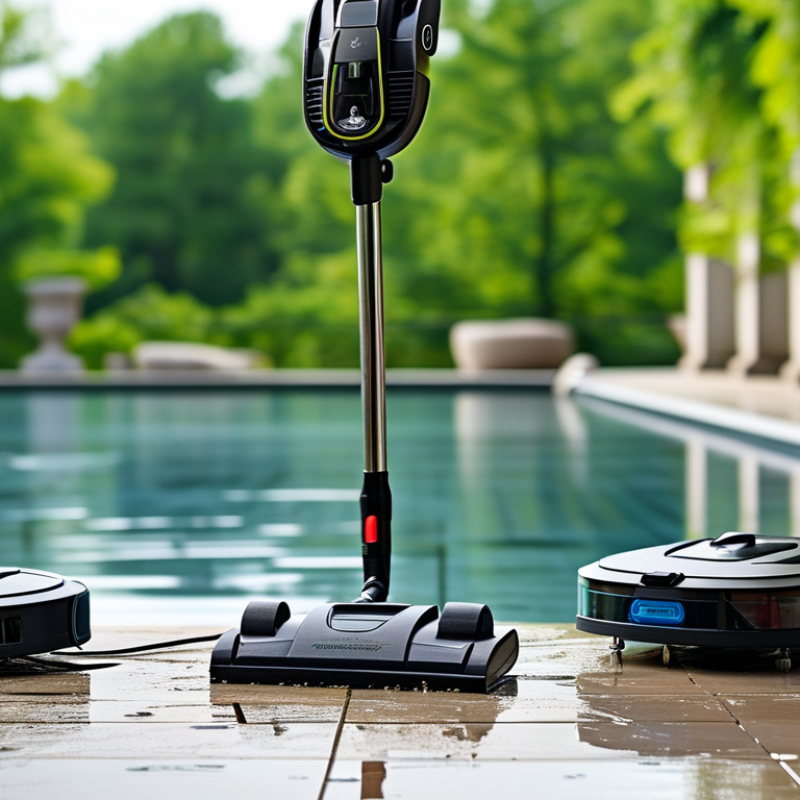
Understanding Pool Vacuum Cleaner Types and Cleaning Methods
Choosing the Top Pool Vacuum Cleaner: How to Choose the Best One?
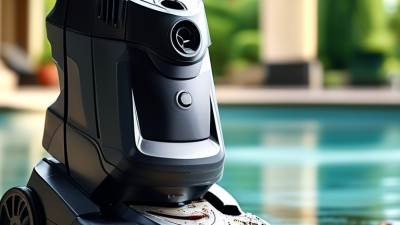
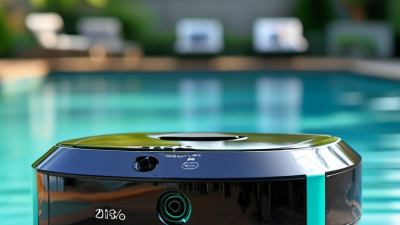
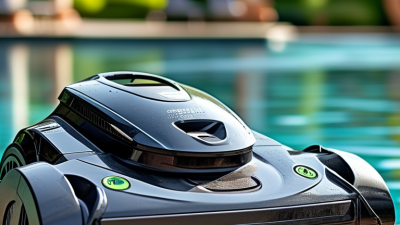
A Pool Vacuum Cleaner should match your pool’s surface, size, and cleaning routine. Suction cleaners connect to the filtration system and move steadily across the floor. Pressure cleaners use returning water to collect leaves and larger debris. Robotic cleaners work independently, scrubbing walls, floors, and sometimes the waterline. They usually need less installation, but their filters require frequent emptying.
Cleaning methods differ in practical ways. Suction models are useful for regular dust and fine particles. Pressure models handle heavier debris after storms or windy days. Robotic units follow programmed paths and often include rotating brushes. Watch the cleaner during its first few cycles. Some areas may remain untouched, especially around steps, drains, or sharp corners. No machine cleans every pool perfectly.
Measure the pool before choosing equipment. Check its length, depth changes, surface material, and nearby trees. A small pool may not need advanced navigation features. A large pool often benefits from longer operating time and a larger debris basket. Read maintenance instructions carefully, because clogged filters reduce performance quickly. I once underestimated how much sand entered a pool after strong wind. The cleaner worked, but manual brushing was still necessary. That experience changed my view: automation saves effort, not every cleaning task. Reliable results come from matching the machine to actual debris, not from choosing the most complicated design.
Matching Vacuum Features to Pool Size and Surface Material
Choosing a Pool Spa Vacuum Cleaner starts with pool size and surface material, not flashy specifications. PHTA’s 2023 industry research estimates about 10.4 million residential pools in the United States. That scale explains why one vacuum cannot suit every installation.
For small above-ground pools, a lightweight manual or cordless vacuum may provide enough reach. A long hose can become awkward in narrow spaces. Medium pools often benefit from a robotic unit with scheduled cleaning and wall-climbing ability. Large pools need longer operating cycles, larger debris baskets, and efficient coverage mapping. A 2024 industry market report by Grand View Research identifies automation and energy efficiency as major growth drivers in pool-cleaning equipment. Still, “smart” does not always mean better. A complicated system may be wasteful for a compact pool.
Surface material changes the decision. Concrete can tolerate firmer brushes, especially around rough steps and algae-prone joints. Vinyl liners need softer brushes and controlled suction, because excessive contact may cause wrinkles or damage. Fiberglass usually works well with gentle brushes, but its smooth finish can expose missed dirt quickly. I once assumed stronger suction meant cleaner results. That judgment was incomplete. It can also pull loose liner edges or trap delicate debris.
Check the vacuum head width, filtration level, cable or hose length, and replacement-part access. For pools with trees nearby, prioritize debris capacity. For fine dust, choose stronger filtration. Pool shape matters too; tight corners can defeat excellent coverage claims. Even reliable equipment deserves a manual inspection after each cycle.
Top Pool Vacuum Cleaner: How to Choose the Best One?
Match vacuum reach and cleaning features to your pool size and surface material.
Small pools
Under 10,000 gallons generally need about 25 ft of hose and benefit from compact suction heads.
Medium pools
Pools from 10,000–20,000 gallons commonly need about 35 ft of hose and adjustable suction control.
Large pools
Pools above 20,000 gallons usually require around 50 ft of hose, larger debris capacity, and efficient wall coverage.
| Pool Surface |
Recommended Feature |
Reason |
| Vinyl liner |
Soft brush and adjustable suction |
Helps reduce excessive suction and protects the flexible liner. |
| Fiberglass |
Non-abrasive wheels and soft bristles |
Smooth surfaces usually need gentle contact to limit scratching. |
| Concrete or plaster |
Stiff brush and strong debris pickup |
Textured surfaces hold more dirt and benefit from stronger brushing. |
The hose lengths are practical planning ranges. Measure from the skimmer or vacuum connection to the pool’s farthest cleaning point before purchasing.
Comparing Manual, Automatic, Robotic, and Suction Vacuums
Choosing the Best Pool Vacuum Cleaner
Choosing a pool vacuum depends on your pool size, surface, debris, and cleaning routine. In my experience, the best cleaner is not always the most advanced one. A small pool with a few leaves may only need a manual vacuum. It connects to a telescopic pole and hose, giving you direct control around steps and corners. However, cleaning can take thirty minutes or more, especially after windy weather.
Automatic cleaners reduce daily effort by moving through the pool independently. They suit owners who want regular cleaning without managing every stroke. Their performance can vary when the water flow is weak or the pool has unusual shapes. Robotic vacuums use built-in motors and filters, so they usually operate separately from the pool circulation system. They often collect fine dust effectively and follow programmed cycles. I appreciate this convenience, but emptying the filter after every cycle can become annoying. Small details matter.
Suction vacuums attach to the pool’s circulation line and use existing water flow. They are often simple, lightweight, and practical for routine debris. Yet they may place extra demand on the pump, and their movement can seem repetitive. Check hose length, filter access, energy use, and compatibility with your pool surface. A concrete pool may tolerate stronger brushes, while vinyl surfaces need gentler contact. No option is perfect. Watch one full cleaning cycle before judging performance, because corners and waterlines often reveal weaknesses.
Evaluating Power, Filtration, Mobility, and Debris Capacity
Choosing an Inground Pool Vacuum Cleaner requires more than chasing the highest suction number. In practical testing, strong power should lift sand from textured floors without stalling on leaves. The U.S. Department of Energy reports that variable-speed pool pumps can reduce energy use by up to 80% compared with single-speed models. That figure concerns circulation pumps, not cleaners, but it highlights an important buying question: does extra power justify longer battery use or higher electricity demand?
Filtration determines what the machine actually removes. The CDC’s 2023 Model Aquatic Health Code links water quality to proper circulation, filtration, and maintenance, rather than suction alone. Look for a fine filter suited to dust, pollen, and small insects. A coarse basket may capture large debris faster, but cloudy water can remain. Check the filter mesh, removal method, and cleaning time with wet hands. Small details matter.
Mobility is easy to underestimate. A cleaner should climb gentle walls, turn near steps, and avoid tangling around drains. Independent testing should include corners and uneven surfaces, not only an empty pool floor. Debris capacity also affects real performance. A compact canister feels agile, yet frequent emptying interrupts cleaning. Larger capacity adds weight and may reduce handling comfort. I would compare the claimed runtime with a dirty-pool test, because laboratory figures can feel optimistic. Keep expectations realistic.
Checking Installation, Maintenance, Safety, and Energy Requirements
Top Pool Vacuum Cleaner: How to Choose the Best One?
Choosing a pool vacuum cleaner starts with installation, not appearance. Measure the pool depth, surface, and access points before buying. A Pool Vacuum Cleaner Cordless model reduces cable management around wet areas. Still, check its charging station and battery instructions carefully. The cleaner should move smoothly without striking steps or drain covers. Test the suction path with the pump turned off. A loose connection can reduce cleaning power and waste electricity.
Maintenance affects both performance and safety. Rinse the filter basket after every heavy cleaning session. Remove hair, leaves, and grit before they harden inside the intake. Inspect seals and wheels for cracks each week. Keep the charging unit away from splashing water. Never handle electrical parts with wet hands. Keep swimmers out during operation. This seems obvious, yet busy households often forget it.
Energy use deserves practical attention. Select a cleaner with adjustable cleaning cycles instead of constant operation. A strong battery is useful, but charging it fully every day may shorten its life. Store the unit in a cool, dry place after cleaning. I once ignored a clogged filter, and the machine ran longer with weaker results. That mistake changed my maintenance routine. Check the pool after each cycle; automatic cleaning is helpful, but it is not perfect.
Selecting the Best Pool Vacuum for Your Budget and Cleaning Needs
Top Pool Vacuum Cleaner: How to Choose the Best One?
Selecting the Best Pool Vacuum for Your Budget and Cleaning Needs
Choosing a pool vacuum starts with your pool’s size, surface, and typical debris. A small handheld cleaner may suit a compact above-ground pool. Larger pools often need stronger suction and a longer operating range. Tile, vinyl, and concrete surfaces may require different brush designs. Check the vacuum’s specifications carefully. Small details matter.
Your budget should include filters, replacement parts, charging time, and maintenance. A low-priced model may become expensive if its filter clogs quickly. Compare cleaning coverage, battery capacity, hose length, and warranty terms. Cordless models reduce setup time, but they need regular charging. Manual vacuums cost less and give you direct control. They also require more physical effort.
I once chose a cleaner based only on suction power. It removed leaves well but missed fine sand near the steps. That mistake changed my buying checklist. Ask whether the unit handles both large debris and fine particles. Read the care instructions before purchasing. Clean filters after each use, especially after windy days. Independent customer feedback can reveal practical problems, but not every review is reliable. Look for repeated comments about performance, durability, and customer support. A safer choice also includes automatic shutoff features and clear operating instructions.
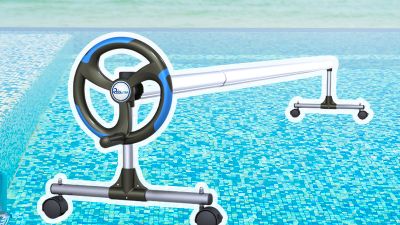
P1825 OEM/ODM Custom Pool Cover Reel: Market Insights from Grand View Research’s Pool Equipment Report
The P1825 OEM/ODM Custom Pool Cover Reel responds to the growing demand for practical and durable pool equipment. According to Grand View Research’s *Swimming Pool Equipment Market* report, the global market was valued at approximately USD 11.49 billion in 2022 and is projected to expand at a compound annual growth rate of about 4.6% from 2023 to 2030. This growth reflects increasing investment in pool maintenance, safety, water conservation, and equipment that improves daily operating efficiency.
Designed for in-ground pools less than 5 meters wide, the P1825 features an aluminum roller structure and universal wheels for smooth mobility and convenient storage. By helping keep leaves, dust, and other debris away from the water, the reel can reduce cleaning frequency and support more efficient pool maintenance. Its OEM/ODM flexibility also enables distributors, contractors, and pool-equipment suppliers to customize dimensions, finishes, packaging, and functional details according to regional market requirements. As residential and commercial pool owners increasingly seek reliable, easy-to-use solutions, this adaptable cover reel offers a practical foundation for customized product development and broader equipment portfolios.
FAQS
: Small pools usually need lightweight manual or cordless cleaners. A long hose may feel awkward in narrow spaces. Medium pools can benefit from scheduled robotic cleaning. Large pools need longer cycles and larger debris baskets. More automation is not always better.
Concrete can handle firmer brushes on rough steps and algae-prone joints. Vinyl liners need softer brushes and controlled suction. Fiberglass usually works well with gentle brushes. Strong suction can pull loose liner edges. I once underestimated that risk.
Suction should lift sand without stalling on leaves. The highest rating is not automatically the best choice. Extra power may increase battery use or electricity demand. Test performance on a dirty pool floor. Numbers can feel optimistic.
Choose fine filtration for dust, pollen, and small insects. A coarse basket handles leaves faster but may leave cloudy water. Check mesh size and filter removal time. Wet hands make small maintenance tasks harder. Details matter.
The cleaner should turn near steps and climb gentle walls. It should avoid drains, corners, and uneven surfaces. Tight corners can defeat impressive coverage claims. Test more than an empty floor. Corners expose weaknesses.
Pools near trees need larger baskets for leaves and twigs. A compact canister feels easier to handle. However, frequent emptying interrupts cleaning. A larger basket adds weight. Convenience involves trade-offs.
Measure pool depth, surface type, hose length, and access points. Check the charging area for dry, stable placement. Inspect connections before starting the cleaner. A loose connection can weaken suction and waste energy. Measure twice.
Rinse the filter after heavy cleaning sessions. Remove hair, leaves, and grit before they harden inside. Inspect seals and wheels weekly. Keep electrical parts away from splashing water. Never handle them with wet hands. Keep swimmers out during operation.
Select adjustable cycles instead of constant operation. Avoid charging the battery fully every day without need. Store the cleaner in a cool, dry place. Check the pool after every cycle. Automatic cleaning is helpful, not perfect.
Conclusion
Choosing the right Pool Vacuum Cleaner begins with understanding how different models remove dirt, leaves, algae, and fine particles. Manual, automatic, robotic, and suction vacuums each offer different cleaning methods, levels of control, and operating costs. Your decision should match the pool’s size, shape, depth, and surface material, since some cleaners are better suited to smooth finishes while others handle textured surfaces and larger areas more effectively.
When comparing options, evaluate suction power, filtration quality, movement, debris capacity, and the amount of pool coverage provided. It is also important to consider installation requirements, maintenance frequency, safety features, energy consumption, and replacement parts. A practical choice balances performance with your budget and cleaning routine. By identifying the type and amount of debris your pool usually collects, you can select a reliable cleaner that reduces manual work, protects the pool surface, and keeps water clearer with consistent use.
 +86-574-5680 8878

 Contact Email